








In 2025, businesses across the USA and Canada are racing to adapt to a hyper-connected world where AI, automation, and data-driven decisions define success. According to recent insights, the digital transformation market in Canada alone is projected to reach USD 74.02 billion this year, growing at a CAGR of 25.41% through 2030, while the broader North American landscape sees healthcare, finance, and retail leading the charge. But here’s the critical truth: choosing the wrong digital transformation partner can derail your efforts, leading to wasted investments and stalled growth. The right digital transformation partner acts as a strategic ally, helping you navigate trends like agentic AI, edge computing, and sustainable tech to unlock efficiency and innovation.
In this guide, we’ll cut straight to the core: how to find a right digital transformation partner that aligns with your goals, delivers measurable results, and positions your business for long-term scalability in the USA and Canada.
The Core Essentials: What Defines the Ideal Digital Transformation Partner?
At the top of the inverted pyramid, let’s address your burning question directly—finding the right digital transformation partner starts with clarity on expertise, alignment, and proven impact. A top-tier right digital transformation partner should offer end-to-end services, from strategy to implementation, with a focus on technologies like AI-powered CRM and custom software solutions. They must understand the unique regulatory and market dynamics in the USA and Canada, where data privacy laws like CCPA and PIPEDA add layers of complexity.

Most Important Traits to Look for:
Industry-Specific Expertise: Look for partners experienced in your sector, whether it’s manufacturing, retail, or healthcare, where digital shifts can boost efficiency by up to 40% through tailored solutions.
Technological Proficiency: Ensure they excel in tools like Microsoft Dynamics 365 CRM for seamless customer relationship management software integration.
Scalability and Flexibility: The partner should support enterprise CRM solutions that grow with your business, avoiding one-size-fits-all approaches.
Proven Track Record: Demand case studies showing real ROI, such as improved customer engagement or streamlined operations.
By focusing on these, you’ll avoid common pitfalls like mismatched visions, which plague 49% of digital initiatives. Now, let’s dive into the problems businesses face and the step-by-step solutions to overcome them.
Identifying the Problems: Digital Transformation Problems that Happen a Lot

Digital transformation isn’t just about adopting new tech—it’s a cultural and operational overhaul. Yet, many USA and Canadian businesses struggle, with only 48% of projects succeeding due to issues like lack of commitment and poor planning. These are the biggest problems:
Resistance to Change and Skills Gaps: Employees often resist new systems, exacerbated by a talent shortage in AI and cloud tech. In 2025, broadening digital access is seen as the most transformative trend, but 60% of companies cite workforce reskilling as a barrier.
Data Silos and Legacy Systems: Outdated infrastructure hinders integration, leading to inefficiencies. Financial services firms in the USA report data quality issues as a major roadblock to AI adoption.
Cybersecurity and Compliance Risks: With rising threats, ensuring secure cloud migrations is critical, especially under North American regulations.
Lack of Strategic Alignment: Without a clear vision, initiatives fail to deliver ROI, as seen in disjointed systems slowing growth.
Budget Overruns and Vendor Mismatches: Choosing partners without thorough vetting leads to costly delays.
These problems aren’t just ideas; they show up as lost sales and a lack of competitive advantage. For instance, a mid-sized retailer in Canada might lose customers due to siloed CRM data, while a USA-based manufacturer grapples with legacy ERP systems unable to support AI-driven forecasting.
The Solution: A Guide to Choosing Your Right Digital Transformation Partner Step by Step

Using the problem-solution formula, here’s a practical, step-by-step framework to find the right digital transformation partner. This approach ensures you address challenges head-on, leveraging semantic elements like business process optimisation and contextual relevance for your US or Canadian operations.
Set Clear Goals for your Business and Digital Vision.
Audit your current situation to get started. What problems are there? For instance, if customer service is slow, put Dynamics 365 Customer Service first for support across all channels. Make your goals measurable, such as a 20% rise in productivity by automating CRM workflows. In 2025, align with trends like hyperautomation to future-proof your strategy. This step solves misalignment by creating a roadmap that your right digital transformation partner must match.
Research and Shortlist Potential Partners
Cast a wide net but focus on North American expertise. Search for partners specialising in Microsoft CRM solutions, such as those offering Dynamics 365 implementations in the USA. Check based on:
Certifications (e.g., Microsoft Gold Partner status).
Geographic relevance: Partners with offices in the US and Canada know how to do business in those countries.
Service breadth: From affordable Dynamics 365 implementation to custom API development.
Clutch and G2 are two tools that can help you find the best companies, including those that are great at digital transformation consulting. Try to get 5–10 candidates on your shortlist. Compare Dynamics 365 and Salesforce to see if Microsoft-focused partners offer better scalability for businesses.
Assess Expertise and Compatibility
Dive deep into their capabilities. Ask for demos of Dynamics 365 Sales for managing leads or Dynamics 365 Marketing Automation for campaigns that are tailored to your needs. Check for AI-powered CRM features like Dynamics 365 Copilot integration to enhance decision-making. Think about custom web development for startups or enterprise web app solutions if you need something for the web.
Key questions:
How do you handle Microsoft CRM data migration without downtime?
Can you provide examples of CRM integration with e-commerce platforms?
How can you help small businesses customise Dynamics 365?
Look Over References and Case Studies.
Demand proof of impact. Look for success stories in similar industries. For instance, a Canadian firm like Grand & Toy transformed its operations with Dynamics 365, enabling unified customer sourcing and innovation. Using Dynamics 365 Finance and Supply Chain Management, manufacturers in the US have modernised their operations, which has helped them grow and get rid of old systems. Contact references to verify ROI, such as reduced costs via business process optimisation.
Look at Prices, Contracts, and Support.
Transparency is key. Compare affordable web app development options against premium services like custom web development vs Toptal. Make sure that contracts include support for Microsoft Dynamics after launch. For Canadian businesses, factor in currency and tax implications; for USA firms, emphasise compliance with federal standards.
Pilot and Implement
Try it out on a small project, like making a website for an e-commerce site that works with a CRM. Monitor KPIs, then scale to full rollout. This lowers the chances of things like going over budget.
By following these steps, you’ll select a right digital transformation partner that turns challenges into opportunities, fostering growth in a competitive landscape.
A Real-Life Storytelling Example: Transforming a Retail Business
Think about the story of a mid-sized store in the US that has sales that aren’t growing and customer data that isn’t all in one place. In 2024, they worked with a company that specialises in Microsoft to completely change their digital presence. Implementing Microsoft Dynamics 365 CRM consulting in the USA, they integrated Dynamics 365 for startups with custom software solutions, including SaaS application development and e-commerce web development.
The outcome? AI-powered personalisation and easy integration with web apps have led to a 35% increase in customer engagement. With Microsoft CRM for small businesses, data silos disappeared, allowing for real-time insights. This mirrors broader trends, where over 1,000 organisations have seen AI-driven transformations via Dynamics 365. There are many similar stories in Canada, such as Lallemand’s fermentation business going digital to reach more customers around the world. These stories show how the right digital transformation partner can help you win real prizes, like custom e-commerce website builder tools and enterprise SaaS solutions.
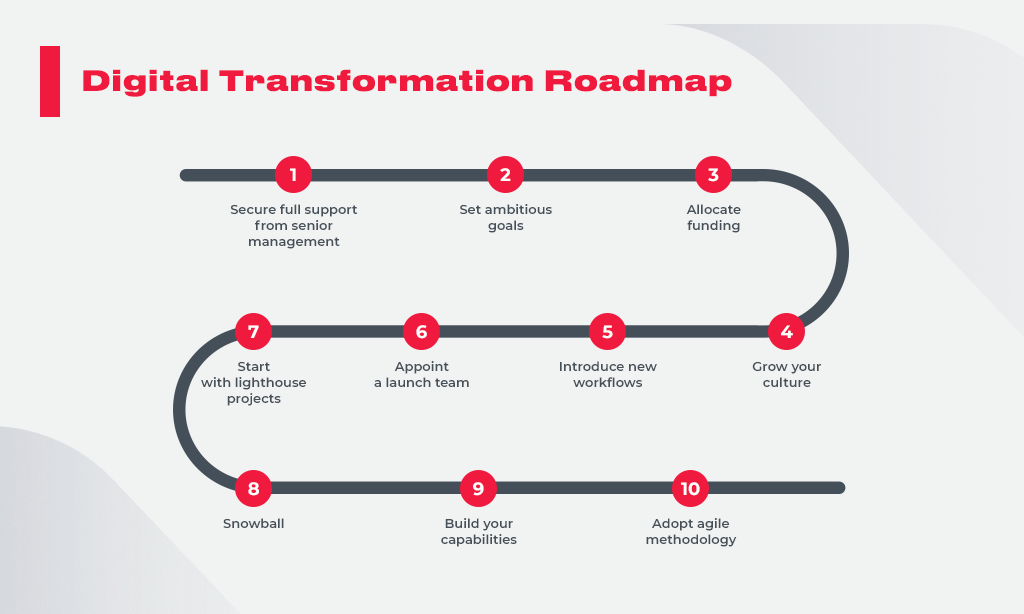
Putting Together Advanced Services for a Full Transformation
A full-service digital transformation partner should offer more than just CRM. They should also offer web application development and custom API development for systems that need to work together. For example, web development for e-commerce can improve the experience of users, and SaaS platform development in the USA meets the needs of cloud-native businesses. Trends like low-code/no-code and quantum computing will make these even stronger by 2025. This means that partners who know about Dynamics 365 alternatives are essential for agility.
To make CRM work for big businesses, you need to change both the technology and the culture. Make sure your partner offers training in areas like Dynamics 365 Copilot integration.
Final Thoughts
The right digital transformation partner in 2025 isn’t just a vendor; they’re the key to long-term success in the US and Canada. If you follow this guide, you’ll be able to deal with problems, take advantage of trends, and make big changes, just like in our retail example. Are you ready to change? Reach out to experts like Soft Korner for personalised consultations on Microsoft Dynamics 365 CRM and beyond. Set up a free assessment today to get started on your journey. Your business that will last for years to come is waiting.
Frequently Asked Questions
What should I look for in a partner for my startup’s digital transformation in Canada?
For startups, look for cheap, scalable options like Dynamics 365. Also, look for a company that specialises in custom web development for startups to keep costs down while allowing for growth.
How does a digital transformation partner handle data migration in the USA?
They use secure protocols for Microsoft CRM data migration, ensuring compliance with laws like CCPA, minimising downtime through phased approaches.
Is Microsoft Dynamics 365 a better choice for enterprise web development than other options?
Yes, especially for integration. When comparing Dynamics 365 to Salesforce, Microsoft often comes out on top for cost-effective enterprise web development and AI features.
What does AI do for modern CRM consulting services?
AI-powered CRMs like Dynamics 365 make predictive analytics and automation better, turning Dynamics 365 Customer Service into proactive support systems.
How can custom software solutions boost e-commerce in North America?
Partners make sure that e-commerce websites and web apps work together perfectly, which helps them get more sales in competitive markets.
