







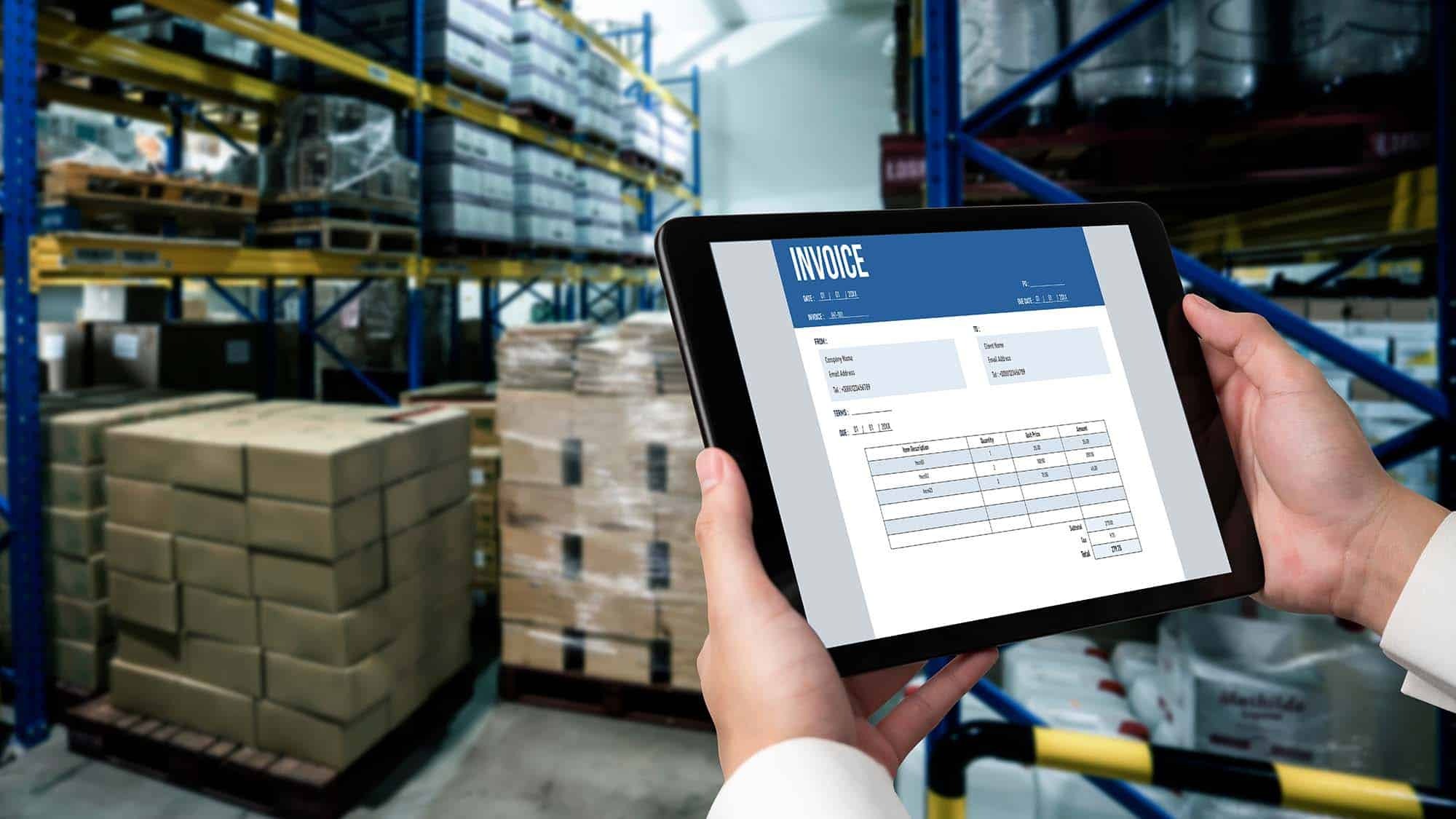
Let’s think about it: Your logistics business in the United States or Canada receives a lead at 8 AM, but when your sales team responds, it is already past lunch hour. A potential customer is gone. On the other hand, a company with super-fast response times, exact shipment tracking, customer notifications, and smooth CRM processes is winning over customers not necessarily because of the lowest price but due to the greatest experience. This is the effect of logistics CRM software.
It does not only keep the contacts database; it manages the customer journeys, aligns operations and sales, triggers communication, follows shipments in real-time, and converts leads into loyal customers. For logistics companies in North America, the acquisition of next-generation logistics software is not an option anymore but a necessity in the competition.
To say it plainly: A well-executed crm for logistics prevents inefficiency, delayed responses, lack of communication, and unhappy customers by giving you full visibility, automation, and unity.
What is Logistics CRM Software?
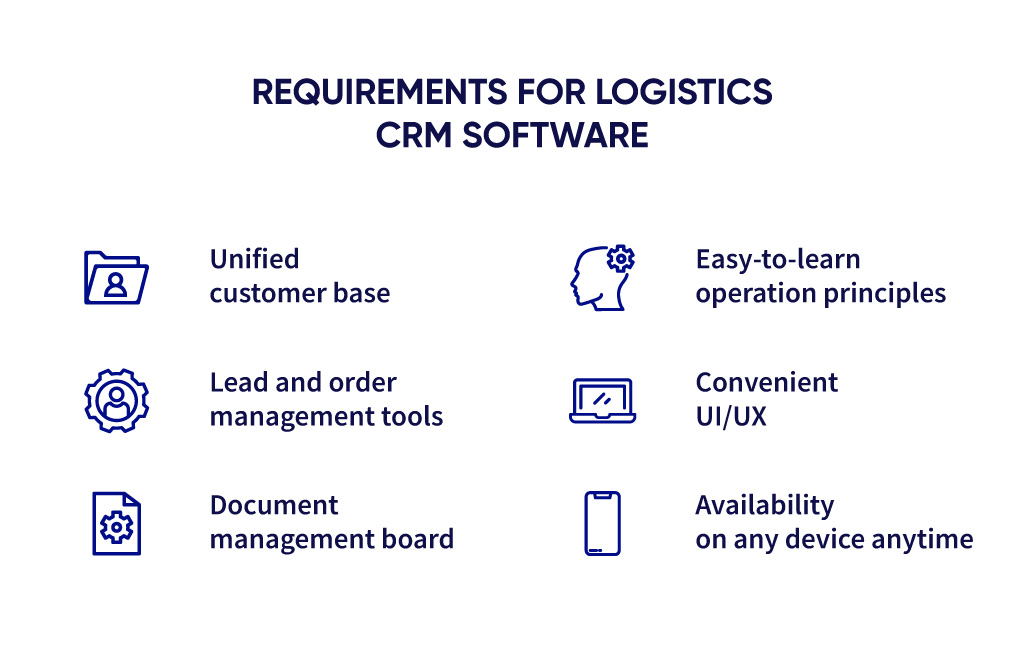
A dedicated customer relationship management system specifically designed for logistics, freight forwarding, transportation, warehousing, or supply chain operations.
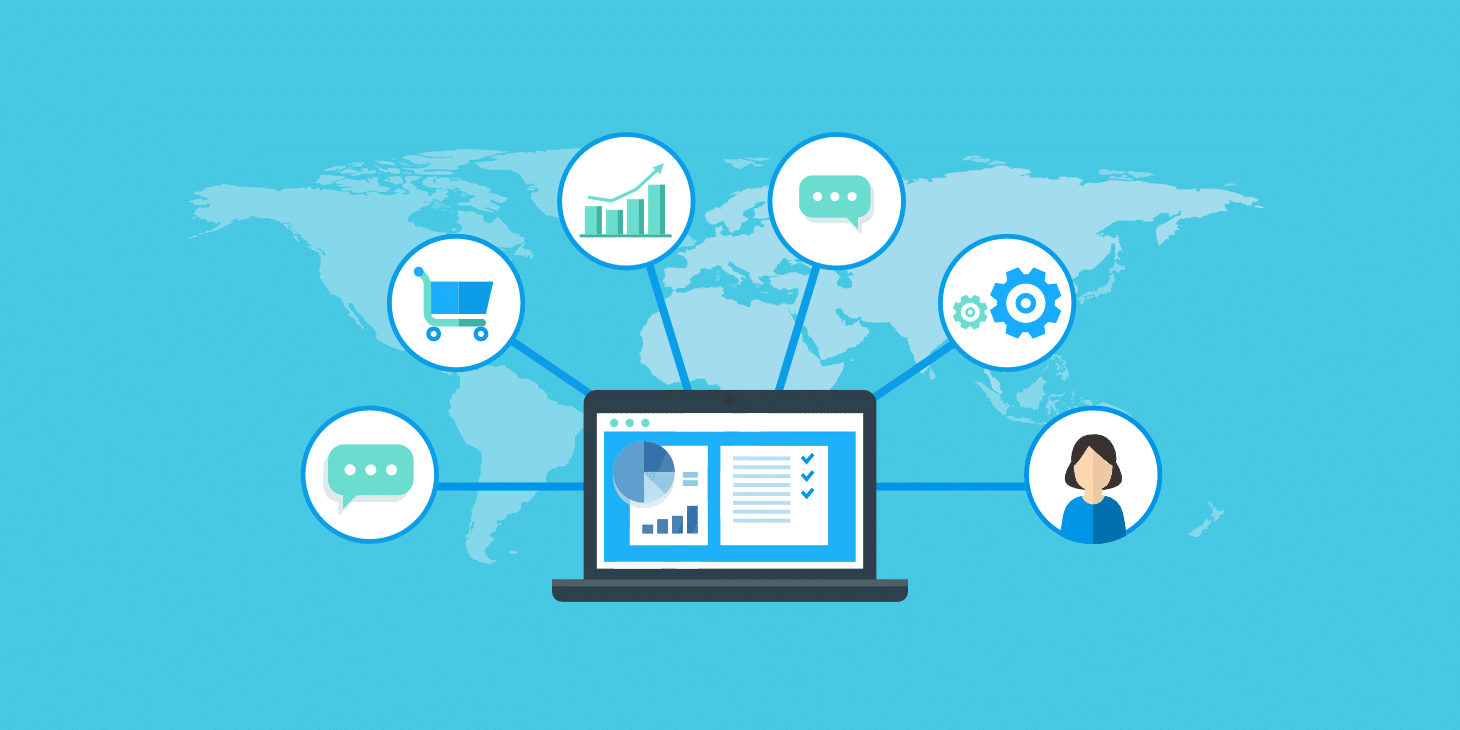
Key Features: Lead & quote management, shipment tracking, route visibility, integration with ERP / inventory / accounting tools, automated alerts, customer portals, analytics dashboards.
Why Logistics Firms in USA & Canada Need This Now
High customer expectations: Customers want updates at every step, they want everything to be correct, and they want to see through the process.
Complex regulations & compliance: Customs, transport safety, permits — handling them through manual processes puts the company at a greater risk than the automated one.
Competition & cost pressures: The situation is such that there is very little left in the market; inefficiencies translate to more expenses on fuel, labor, delays.
Data explosion & integration needs: Different systems, separated teams, and lack of access to reliable information make it difficult to make decisions.
What to Do?
This is a detailed procedure showing how to recognize, select, and then put to use the logistics CRM software to get rid of your specific problems. Do the following and enjoy the benefits of better operations, happier customers, and measurable return on investment!
Identify Your Pain Points (Problem Diagnosis)
Ask:
- How slow is our response to new leads or quote requests?
- Where are the communication gaps between sales, operations, and customer service?
- Do we have visibility into shipments in real time? Can customers see updates without calling in?
- How much manual work (data entry, emails, follow-ups) is costing us in time and error?
- Are our sales, quoting, and financial/accounting workflows disjointed or delayed?
Use internal audit, staff interviews, and performance metrics.
Map the Required Features to Solve These Problems
For each pain point, map out what features you need. For example:
| Problem | Feature Needed |
| Delayed quotes / inconsistent pricing | Quote & bid management, CPQ tools, standardized templates |
| Lack of shipment visibility | Integration with GPS, transport system, real-time tracking dashboards |
| Poor internal communication | Shared customer profiles, cross-department workflows, centralized data hub |
| Manual tasks slowing operations | Automation (alerts, notifications, document generation) |
| Low customer satisfaction | Customer portal, proactive notifications, feedback loops |
Consider Specialized or Advanced Enhancements
These will differentiate you and offer better scalability:
- AI-Powered CRM Integrations: Predictive analytics (e.g. forecast delays, recommending optimal shipments routes).
- CRM Aviation / Aviation CRM Consulting / Aviation CRM Development: If you work in air cargo, you may need domain-specific solutions.
- Staff Augmentation Firm: If you don’t have in-house CRM/dev experts, hiring specialized staff augmentation can speed up quality implementation.
Select & Evaluate Vendors / Solutions
Criteria to evaluate:
- Ease of integration with your existing transport management, warehouse management, accounting, ERP systems.
- Scalability and cost (USA/Canada region pricing, taxes, support).
- Support & service model (do they offer consulting for aviation or logistics sectors?).
- Data security / compliance (important in both USA & Canada).
- User adoption / training resources.
Ask for real case studies: ideally US/Canadian operations, including metrics like improved lead conversion, reduced quoting time, better customer satisfaction.
Implement Phased Roll-Out
- Pilot: Choose one section (e.g., quoting, sales) to deploy first.
- Train Staff: Sales, operations, customer service must all learn workflows.
- Integrate Systems: Connect shipment tracking, GPS, ERP, etc.
- Automate Standard Tasks: Alerts, follow-ups, reports.
- Monitor Metrics: Quoting time, lead to order conversion, customer satisfaction, error rates, shipping delays.
Optimize & Iterate Logistics CRM Software
- Use feedback loops: from customers, staff.
- Add AI features if needed (for example, predictive maintenance, demand forecasting).
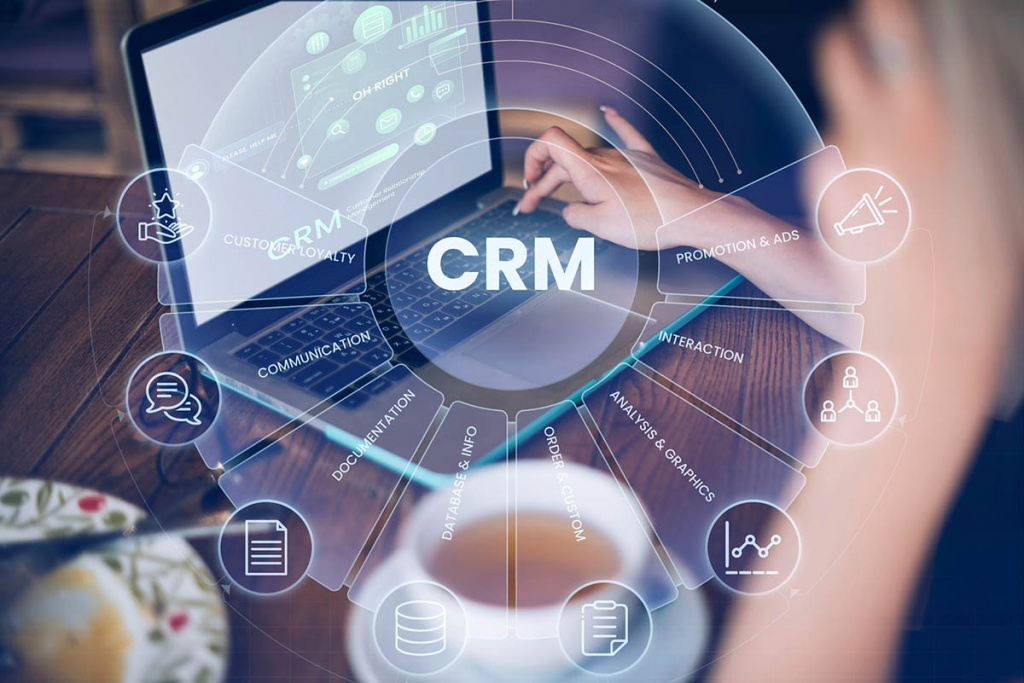
- Adjust or expand to other departments. Possibly, explore ai-powered crm systems to gain insights.
- If in the aviation sub-sector, ensure your systems cater to unique aviation regulatory needs or standards.
Real-Life Example of a Logistics CRM Software
Here’s an example to illustrate how this works in practice.
Case Study: Cloudester / Mid-sized Logistics Company
A US/Canada mid-sized logistics firm was struggling: customers calling repeatedly for shipment status, sales quotes delayed, little internal visibility, customer complaints rising. They turned to a custom CRM development approach.
Solution:
• A central customer profile with past interactions and shipment history.
• Real-time shipment updates and automated alerts.
• Integration with operations and logistics management systems.
• Training for staff to use the platform daily.
Results:
• 30% increase in customer satisfaction scores.
• 40% faster response time for customer inquiries.
• 25% growth in upsell / cross-sell opportunities due to better data insights.
Visit the soft korner website to set up your logistics crm today.
Conclusion
If you are a logistics business in the USA or Canada then investing in a strong logistics CRM software isn’t only a technology update. It is your competitive advantage. It addresses the real issues: missed sales, unhappy customers, inefficient processes. By adopting the aforementioned step-by-step method for identifying shortcomings, choosing features, integrating, training, optimizing you will nurture your company growth, trust, and efficiency.
Interested in seeing a custom demo for your business? Contact Soft Korner and let us show you how your organization can smoothly transition to a scalable, AI-enhanced crm for logistics that transforms your operations and customer experience.
Frequently Asked Questions
Q1: What does a crm in logistics and supply chain management cost?
The price is determined by usage, options, integrations, and users. The SaaS models might start from a few hundred to a few thousand USD monthly; the enterprise versions with particular integrations and AI features are pricier. Think about the total cost of ownership (licensing, integrations, support, training).
Q2: What is the typical duration of the CRM implementation in a logistic company (with integrations)?
For small to mid-sized firms: 3-6 months for core features.
For enterprise/aviation CRM development/with many integrations: 6-12+ months, especially if regulatory compliance or specialized features are required..
Q3: Can a logistics CRM handle aviation-specific workflows?
Yes — through aviation crm consulting and aviation crm development. These adapt the CRM to handle air cargo tracking, customs & safety regulations, aircraft logistics, etc. Vendors or consultants specialized in aviation are best for this.
