







In the world of logistics and supply chain management, companies face a growing need to get products out the door faster, operational costs lower, and maintain customer satisfaction at its best. At this point, traditional approaches cannot satisfy these demands; they leave the organization with fragmented data, delayed communications, and zero or partial visibility into the operations.
This is where CRM for logistics steps in as a game-changer, enabling companies in the USA and Canada to streamline operations, boost collaboration, and drive growth.
Why Logistics Companies in the USA & Canada need CRM
Logistics is one of the fast-changing industries that depend highly on technology innovations in order to meet the growing customer expectations. Companies have to deal with huge volumes of shipments, complicated networks of delivery, and interaction with customers in real time. The processes are not easy to handle without a strong system in place.
The CRM for logistics in USA & Canada focuses on customer information centralization, the ability to track each shipment, facilitate operations, and automate repetitive tasks so teams can focus on strategic initiatives rather than being bogged down with their administrative work. For any logistics company in North America, that simply means faster delivery, higher customer retention, and an uncontested competitive advantage.
What is CRM for Logistics?
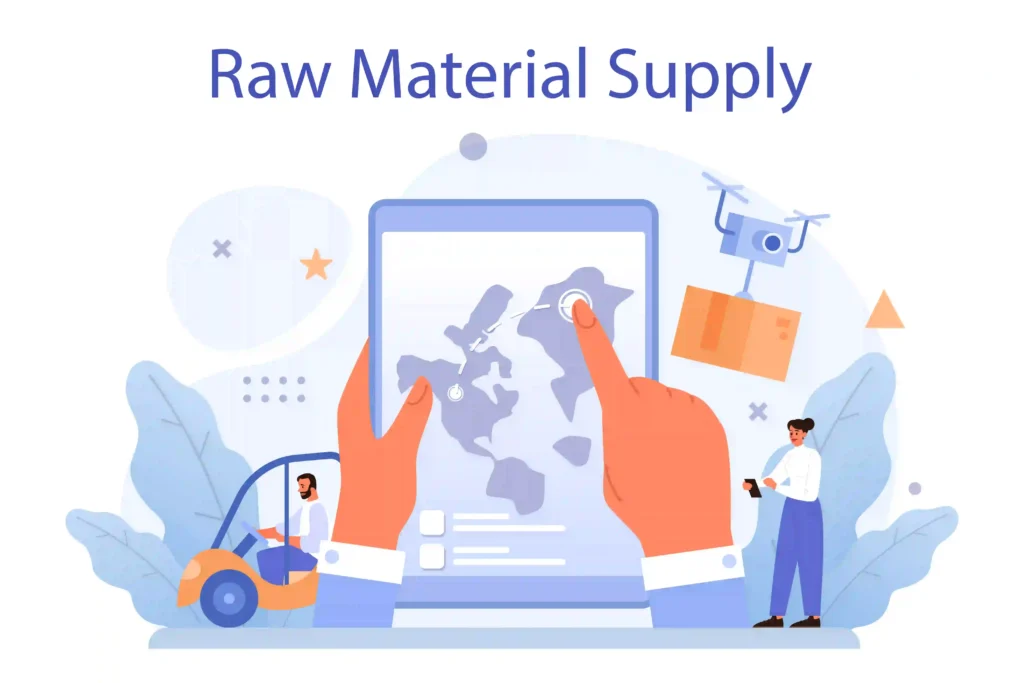
Fundamentally, CRM in logistics and supply chain management is a software-based solution that integrates key functions such as sales, operations, customer service, and finance on one single platform. As opposed to generic CRM software, a logistics CRM focuses on:
Order Tracking: Real-time delivery and operations visibility.
Customer Communication: Automated notifications, updates, and feedback collection.
Data Centralization: One source of truth for all client and operational data.
Operational Efficiency: Smoother workflows for the sake of rapid processing with minimal errors.
Leading solutions, such as logistics CRM software, integrate with transportation management systems, accounting software, and inventory management platforms for end-to-end visibility.
Challenges in Logistics without CRM
Before the adaptation of CRM, many logistics companies face:
Fragmented Customer Data: Information scattered across spreadsheets, emails, and phone calls leads to inefficiencies.
Manual Processes: Time-consuming operations increase the risk of errors.
Poor Customer Experience: Delays in updates and unavailability of transparency annoyance to clients.
Limited analytics: decisions are intuitive and not based on actionable insight.
Logistics CRM addresses these pain points to provide automation, intelligence, and actionable insights.
How CRM Transforms Supply Chain Efficiency: A Step-by-Step Guide

CRM implementation for logistics is much more about process transformation than software implementation. Here is a step-by-step approach:
1. Centralize Customer and Operational Data
Integrate all sources of information into the CRM platform. A single-screen dashboard offers the view from shipment records to customer interaction history, eliminating miscommunication and duplication.
2. Automate Communication
Automation tools in CRM make it easier to remind customers about the status of delivery, delays, or changes. This instills trust and reduces a load of customer service.
3. Real Time Shipment Tracking
Real-time shipment tracking means every delay or disruption is dealt with promptly by logistics teams. It also allows clients to access the status update, hence bringing transparency into the system.
4. Analyze Operational Performance
CRM dashboards provide an overview of delivery times, shipment bottlenecks, and employee productivity. All this helps the logistics manager to make informed decisions based on the available data.
5. Resource Optimization
CRM analytics helps companies identify peak periods of demand, work out efficient routes, and strategically deploy workforce resources.
6. Improve Customer Retention
With detailed records of interactions, preferences, and feedback, logistics companies could provide personalized services, leading to higher client satisfaction.
Real-World Application: CRM in Action
Consider a mid-sized logistics company in Canada experiencing delayed deliveries and inconsistent customer communication. They witnessed after implementing logistics CRM software:
- 30% faster processing of shipments
- 25% reduction in customer complaints
- 20% Increase in on-time deliveries
This success shows that CRM for logistics ensures concrete operational and financial benefits, confirming its value in the competitive market.
Specialized CRM for Aviation and Logistics
Solutions for certain industries, like aviation logistics, need to be truly advanced. CRM aviation platforms focus on fleet management, cargo scheduling, and passenger logistics. Aviation companies in the USA and Canada are already benefiting from:
- Aviation CRM consulting for workflow optimization
- Custom aviation CRM development for integration with existing systems.
- Platforms compatible with Dynamics 365 CRM consulting services provide scalability and intelligence to complex operations.
- Specialized systems enable these providers to accomplish more in terms of efficiencies, compliance, and customer satisfaction.
Key Features to Look for in Logistics CRM Software
The process of choosing a CRM in logistics and supply chain management is primarily based on the functionality it can provide for directly improving efficiency.
- Real-time tracking and alerts
- Automated Invoicing & Billing
- Integrated Analytics & Reporting
- Multi-Channel Customer Communication
- Scalable Solutions on the Cloud
- Manage Customizable Workflow
Logistics companies can bring about a measurable improvement in efficiency and customer experience through this fitting of CRM features into operational goals.
The Role of Digital Transformation Consultants

Adopting a CRM system requires strategic planning. Digital transformation consultant services help businesses in the USA and Canada:
- Assess current workflows
- Identify areas where CRM needs to be integrated
- Tailor Solutions to Deliver Maximum ROI
- Train teams for seamless adoption
With Soft Korner, various clients in logistics have been helped to implement CRM systems that assure smoother operations and long-term growth by driving effective results.
Benefits of CRM for Logistics in North America
The implementation of CRM in logistics brings a number of benefits:
Improved Productivity: Automate mundane tasks and efficiently organize operations.
Enhanced Customer Experience: Real-time updates and proactive communication.
Data-Driven Decisioning: Analytics to inform strategy planning.
Cost Reduction: Fewer operational errors and efficient resource deployment.
Competitive Advantage: Quicker, more reliable services within a competitive environment.
These benefits explain why logistics organizations in the USA and Canada are implementing more and more CRM solutions.
Conclusion
The logistics industry has reached a juncture where efficiency, pegged on technology, is the hallmark of success. Partnering with experts such as Soft Korner, a trusted Digital Transformation Partner, can fast-track CRM adoption and ensure your operations are fully optimized for the modern era. There can’t be any turning back with fragmented data and outdated processes. Welcome CRM to transform the logistic operations in the USA and Canada.
Ready to transform the way logistics operations are done? Contact Soft Korner today for a consultation and take the first step towards digital transformation.
Frequently Asked Questions
Q1: How does a regular CRM differ from a logistics CRM?
While a regular CRM deals with customer relationship management in a broad way, the focus of logistics CRM is on operational efficiency, shipment tracking, and supply chain optimization.
Q2: Is it possible for CRM to be integrated with existing logistics software?
Most modern logistics CRM software can actually be integrated with ERP, TMS, and inventory management systems.
Q3: In what way does CRM enhance customer satisfaction in logistics?
It provides for the customers with real-time updates, proactive notifications, and personalized communication that create transparency and reliability.
Q4: Is CRM suitable for small logistics companies?
Of course, CRM solutions are flexible and can be tailored to suit the needs of small to mid-sized logistics businesses.
Q5: How long does the implementation of a logistics CRM take?
Depending on system and customization complexity, implementation can generally range from only a few weeks to several months.
