





In the USA and Canada, healthcare organizations have never been under the pressure as much as they are now. Patients demand one-on-one services, prompt services, open communication, and online convenience-whereas the providers have to abide by strict rules, handle complicated data and curb escalating operational expenses.
This is where CRM software in healthcare comes into play. Its essence lies in the fact that it aids healthcare providers in dealing with the relationships with patients, simplifying communications, and transforming fragmented data into valuable and implementable insights.
If you are a hospital administrator, clinic owner, an enterprise or healthcare startup decision-maker, this guide will help you understand, in a practical way, how Soft Korner healthcare CRM software works, why it is important, and how to implement it in steps, with the most crucial answers first.
What Is CRM Software in Healthcare?
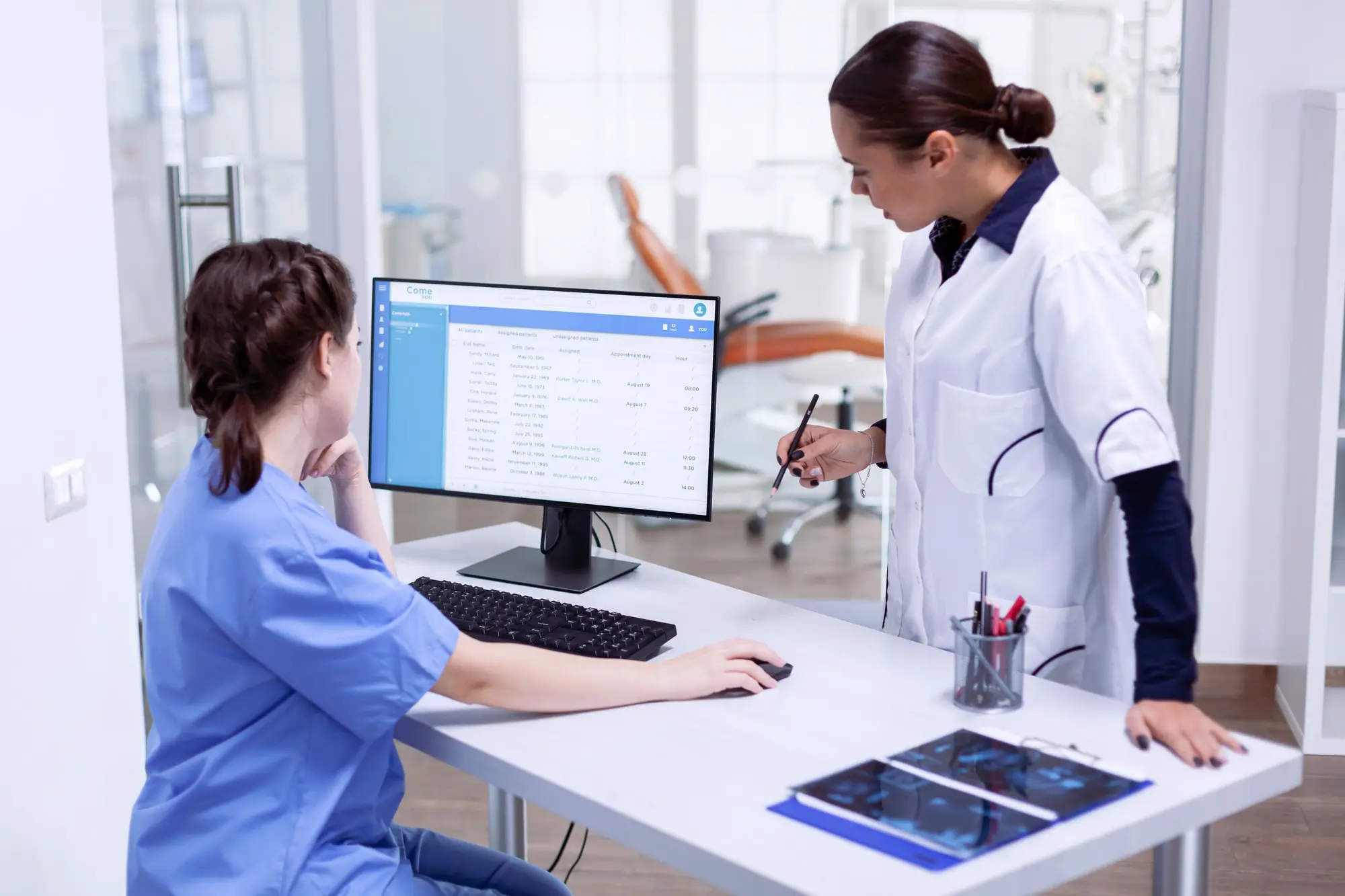
CRM in healthcare industry is the dedicated system of customer relationship management designed to work with healthcare organizations. In contrast to generic CRM tools, it is patient-centred, aimed at care coordination, appointments, communication history, and patient-compliance-driven data management.
Simply put, it enables healthcare providers to establish better, long-term relationships with patients and enhance their operational effectiveness and care outcomes.
The Reason Why Healthcare Crm Software Is Essential To Usa And Canada.
North American healthcare systems are patient-oriented, information-driven, and regulatory. The providers should be able to meet HIPAA, PIPEDA, as well as, local healthcare requirements, and at the same time, be able to provide individual experiences.
Organizations can use healthcare CRM software to assist them in:
- Transfer patient data between departments.
- Enhance patient interaction and retention.
- Make communication and follow-ups automated.
- Value-based care models.
- Empower clinical and operational decisions.
This is what makes healthcare CRM software not merely a technological overhaul of the business, but a strategic investment.
Proposals of CRM Software in Healthcare

All-in-One Patient Data
Healthcare CRM software combines patient demographics, visit history, communication logs and preferences into one secure application. This eradicates data silos and has every team working with patients based on consistent updated data.
Enhanced Interaction with the Patients
Healthcare CRM software allows customized and timely communication through appointment reminders and post-visit follow-ups. Patients who are engaged will adhere to treatment plans, show up to appointments, and have trust in providers.
Better Care Coordination
When the interactions are recorded in a unified system, the care teams will be able to work with a greater degree of effectiveness. This minimizes mistakes, duplication and miscommunication between departments.
Compliance and Data security
Contemporary crm in healthcare industry is designed in a compliance manner, which means that the data concerning the patients is safeguarded and handled in relation to the local laws of healthcare in the USA and Canada.
Typical Healthcare Issues in the absence of a CRM System
Fragmented Patient Data
The health care organizations often use fragmented systems: EMRs, spreadsheets, emails, and handwritten notes resulting in the incomplete view of the patient.
Ineffective Following Up and Communication
Lateness in responding to reminders, missed messages, and irregular messaging affect patient satisfaction and outcomes adversely.
Operational Inefficiencies
Paperwork consumes the time of staff and adds to the administrative expenses, particularly in high-throughput buildings of healthcare facilities.
Little Understanding On How To Make Decisions
In the absence of consolidated data, the leadership is unable to detect trends, to optimize services, or enhance patient journeys.
The Way Healthcare CRM Software Overcomes These Problems

Determine Gaps in Patient Journeys
The CRM software in healthcare traces the entire lifecycle of the patient, including the initial inquiry and the care at long-term levels, showing points of communication or service failures.
Secure Data centralization
All the interaction with patients, their preferences and history are being kept in a single compliance system, which guarantees real-time and accurate access.
Get Key Touchpoints Automated
Automated reminders, follow-ups, and educational messages can minimize the amount of work the staff will have to complete and enhance the patient experience.
Activate Insights and Analytics
In-built reporting can assist organizations to monitor engagement, outcomes and performance in operations to improve continually.
Crm Software In Healthcare Vs Crm In The Past
Whereas the old CRM systems aim at sales channels and customer acquisition, the healthcare CRM software is patterned after patient trust, continuity of care, and regulatory compliance.
This is a very important difference in the crm in the healthcare sector where data use that is unethical or puts the privacy of patients at risk is unacceptable.
Real life situation: The CRM Reshapes Patient Experience
One of the North American mid-sized clinics had the problem of appointment no-shows and patient dissatisfaction. Once they installed healthcare CRM software by Soft Korner, they automated the booking of appointments and follow-ups, as well as centralized patient records.
The no-show rates decreased considerably, patient satisfaction scores increased, and the administrative workload was reduced in half a year, which proves the actual effect of the CRM software in healthcare on daily activities.
The Characteristics to consider in Healthcare CRM Software
Patient Engagement Tools
Safe messaging, reminders and history of the communication.
Integration Capabilities
Easy connection with EHR, billing, and scheduling.
Compliance-First Architecture
In-built protective measures of HIPAA and regional data protection requirements.
Custom Workflows
Processes that are customizable to particular services and specialties of healthcare.
Scalability and Customization is Important
Each healthcare organization is not alike. This is the reason why the healthcare crm development is usually favored compared to off-the-shelf solutions. Bespoke systems are tailored to the unique workflows, patient demographics and growth strategies.
In need of healthcare CRM software development services, organizations can count on customized solutions that can be aligned with the objectives of the technology, clinical and operational.
Strategic Implementation and Consulting
Without a strategy, the installation of CRM healthcare software is likely to be underused. It is in this area that healthcare crm consulting becomes very important- assisting organizations in setting goals, aligning teams and making sure there is ROI in the long run.
Healthcare crm development is also a choice of some providers to develop a platform that adapts to regulatory and technological changes. The Dynamics 365 CRM consulting services are frequently sought out in the case of enterprise settings, due to their scalability and integration platform.
The Role Of Crm Software In Supporting Value-Based Care In Healthcare
The USA and Canada are in the transition phase of the healthcare system towards value-based care instead of volume-based care. Healthcare CRM software facilitates such transition by:
- Monitoring patient outcomes and engagements.
- Preventive care communication should be supported.
- Facilitating patient relationship management on long-term basis.
This has a direct effect on better quality scores and financial sustenance.
Finding the Right Healthcare CRM Software: An Advice Step-by-Step Guide
Define Clear Goals
Determine your priorities inpatient engagement, operational efficiency, analytics or all three.
Assess Compliance Requirement
Make sure that the healthcare CRM software satisfies all the legal and regulatory standards of your area.
Evaluate Integration Requirements
Select a system that fits well with the current healthcare systems.
Plan for Scalability
Choose healthcare CRM software that has the potential to expand with your organization.
Focus on User Adoption
Long term success depends on training and change management.
The Future of Healthcare CRM Software in North America
As digital health, telemedicine, and AI-driven insights continue to grow, healthcare CRM software will play an even larger role in delivering connected, patient-first care. Organizations that invest early gain a competitive advantage in trust, efficiency, and innovation.
Final Thoughts
Healthcare CRM software is no longer just a backend system—it’s the foundation of patient relationships, operational excellence, and sustainable growth in the USA and Canada.
If your organization is ready to modernize patient engagement and streamline care delivery, partnering with the right digital transformation expert makes all the difference. Soft Korner, Digital Transformation Partner, helps healthcare organizations design, implement, and scale intelligent CRM solutions that deliver real-world results.
Take the next step today—build stronger patient relationships with the right healthcare CRM software strategy.
Frequently Asked Questions
Is healthcare CRM software suitable for small clinics?
Yes. Scalable healthcare CRM software can be tailored to clinics, specialty practices, and large hospital networks alike.
How secure is healthcare CRM software?
Modern healthcare CRM software uses encryption, access controls, and compliance frameworks to protect sensitive patient data.
Can healthcare CRM software integrate with EHR systems?
Most solutions are designed to integrate seamlessly with EHRs and other healthcare platforms.
How long does implementation take?
Implementation timelines vary based on customization, integrations, and organizational readiness, but strategic planning reduces delays.
Does healthcare CRM software improve patient outcomes?
By enhancing communication, follow-ups, and care coordination, healthcare CRM software positively impacts patient adherence and satisfaction.
