






AI Field Service for Remote Asset Monitoring
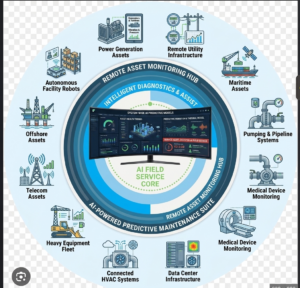
As businesses become more dependent on connected equipment, maintaining assets efficiently has become a top priority. Whether it’s manufacturing machinery, HVAC systems, telecommunications infrastructure, medical equipment, or utility networks, keeping assets operational is essential for business continuity.
Traditional field service models rely on routine inspections or customer-reported issues. While these approaches can identify problems, they often detect them after performance has already declined. AI field service is changing this by enabling remote asset monitoring that continuously tracks equipment health and identifies issues before they become critical.
For organizations looking to improve service efficiency and reduce operational costs, AI-powered remote monitoring is becoming an essential part of modern field service management.
What Is Remote Asset Monitoring?
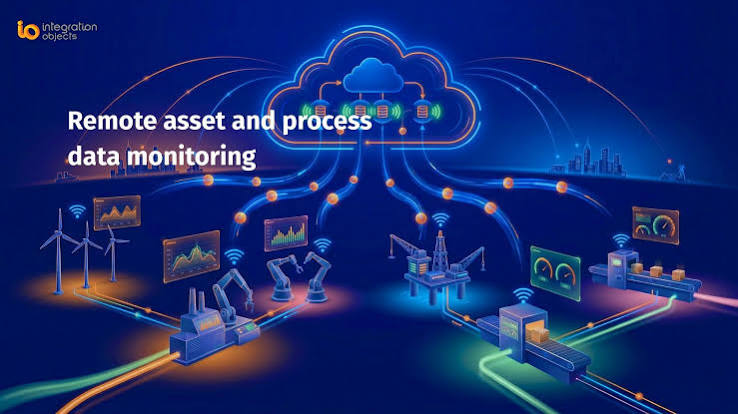
Remote asset monitoring is the process of tracking the condition and performance of equipment using connected sensors, Internet of Things (IoT) devices, and AI-powered analytics.
Instead of waiting for a technician to inspect equipment on-site, businesses receive continuous updates about asset performance in real time.
AI analyzes this information to detect abnormal behavior, identify trends, and recommend corrective actions before failures occur.
Why Traditional Asset Monitoring Is Limited
Many businesses still depend on scheduled maintenance or manual inspections.
This approach presents several challenges:
- Problems may go unnoticed between inspections.
- Minor issues can develop into costly failures.
- Emergency repairs increase operational expenses.
- Technicians spend time inspecting equipment that may not require maintenance.
- Service resources are often used inefficiently.
AI addresses these limitations by providing continuous visibility into asset performance.
How AI Improves Remote Asset Monitoring
1. Continuous Equipment Health Analysis
AI monitors equipment around the clock by analyzing data from connected devices.
It can evaluate:
- Temperature
- Pressure
- Vibration
- Energy consumption
- Operating cycles
- Performance trends
When unusual behavior is detected, the system immediately generates alerts for service teams.
2. Early Fault Detection
Equipment rarely fails without warning. Small changes in performance often occur long before a breakdown.
AI identifies these early warning signs by comparing current data with historical performance patterns.
This enables businesses to address issues before they lead to expensive downtime.
3. Intelligent Maintenance Recommendations
Instead of simply reporting problems, AI can recommend the most appropriate maintenance actions.
Recommendations may include:
- Component replacement
- Performance adjustments
- Technician inspection
- Software updates
- Preventive maintenance scheduling
This helps maintenance teams prioritize tasks more effectively.
4. Automated Service Ticket Creation
When AI detects an issue that requires attention, it can automatically create a service request within the field service management system.
The system can include:
- Equipment details
- Diagnostic information
- Recommended repairs
- Priority level
This reduces manual work and accelerates service response.
5. Remote Troubleshooting
Many equipment issues can be diagnosed without an immediate site visit.
AI allows technicians to analyze equipment performance remotely before deciding whether on-site service is necessary.
This saves travel time and reduces unnecessary dispatches.
Industries Benefiting from AI Remote Monitoring
Remote asset monitoring is valuable across numerous industries.
Manufacturing
AI helps maintain production equipment, reducing unexpected shutdowns and improving productivity.
Energy and Utilities
Power generation equipment, transformers, and utility infrastructure can be monitored continuously to prevent service interruptions.
Healthcare
Hospitals rely on medical equipment that must remain operational. AI supports proactive maintenance to improve equipment reliability.
Telecommunications
Network infrastructure can be monitored remotely to identify faults before customers experience connectivity issues.
Commercial Facilities
Building systems such as elevators, HVAC equipment, and electrical systems can be maintained more efficiently through AI-powered monitoring.
Business Benefits
Reduced Downtime
Early issue detection prevents unexpected equipment failures.
Lower Maintenance Costs
Businesses perform maintenance only when needed instead of relying on fixed schedules.
Improved Technician Productivity
Technicians are dispatched only when AI confirms that service is required.
Better Asset Performance
Continuous monitoring helps equipment operate at peak efficiency.
Enhanced Customer Satisfaction
Customers experience fewer interruptions and faster issue resolution.
Challenges to Consider
Implementing AI-powered remote monitoring requires careful planning.
Businesses should focus on:
- Reliable IoT sensor deployment
- Accurate and consistent data collection
- Integration with field service management systems
- Cybersecurity for connected devices
- Employee training and adoption
With the right implementation strategy, these challenges can be effectively managed.
The Future of AI in Remote Field Service
Remote monitoring capabilities continue to evolve as AI becomes more advanced.
Future innovations may include:
- Self-healing equipment that automatically corrects minor issues
- AI-powered digital twins for predictive simulations
- Autonomous maintenance scheduling
- Advanced edge AI for faster decision-making
- Smarter integration with enterprise business systems
These technologies will enable businesses to become even more proactive in managing field operations.
Why AI Remote Monitoring Matters
Businesses today cannot afford unnecessary downtime, delayed maintenance, or inefficient service operations. Customers expect reliability, while organizations need to optimize operational costs and maximize equipment performance.
AI-powered remote monitoring enables field service teams to move from reactive maintenance to proactive service management. Instead of responding to failures, organizations can prevent them altogether.
For businesses partnering with Soft Korner, implementing AI field service solutions with remote asset monitoring can lead to improved operational efficiency, better resource utilization, and stronger customer relationships.
Conclusion
AI field service is transforming remote asset monitoring by providing continuous visibility into equipment health, enabling predictive maintenance, and reducing unnecessary service visits. With real-time insights and intelligent automation, businesses can improve asset reliability while lowering maintenance costs.
As industries continue to adopt connected technologies, AI-powered remote monitoring will play a vital role in creating smarter, more efficient, and more resilient field service operations. Contact US Now
FAQs
- What is AI remote asset monitoring in field service?
AI remote asset monitoring uses artificial intelligence and connected sensors to track equipment performance in real time, helping businesses detect issues before they lead to failures. - How does AI reduce equipment downtime?
AI continuously analyzes equipment data to identify early signs of wear or malfunction, allowing maintenance teams to resolve problems before they cause unexpected downtime. - Which industries benefit from AI-powered remote monitoring?
Industries such as manufacturing, healthcare, telecommunications, utilities, commercial facilities, and HVAC services benefit by improving equipment reliability and reducing maintenance costs. - Can AI reduce unnecessary field service visits?
Yes. AI enables remote diagnostics and intelligent maintenance recommendations, allowing businesses to determine whether on-site service is actually needed before dispatching a technician.
