






Custom Mobile App Development would be the answer to any business owner in North America who is deliberating an investment in a mobile application: wouldn’t it be great if the app just suits the specific business model, user profile, and growth strategies without stuffing it with generic templates that come with many unwanted features? Custom apps, as opposed to off-the-shelf solutions, are meant to scale with a proprietary integration, perform higher, and deliver a significant ROI.
This Soft Korner guide tells you what custom mobile apps are, how they tackle real business problems, what the process looks like, and how to make smart decisions without costly spendings—a real-world guide beyond the technical acronyms.
What Is Custom Mobile App Development?
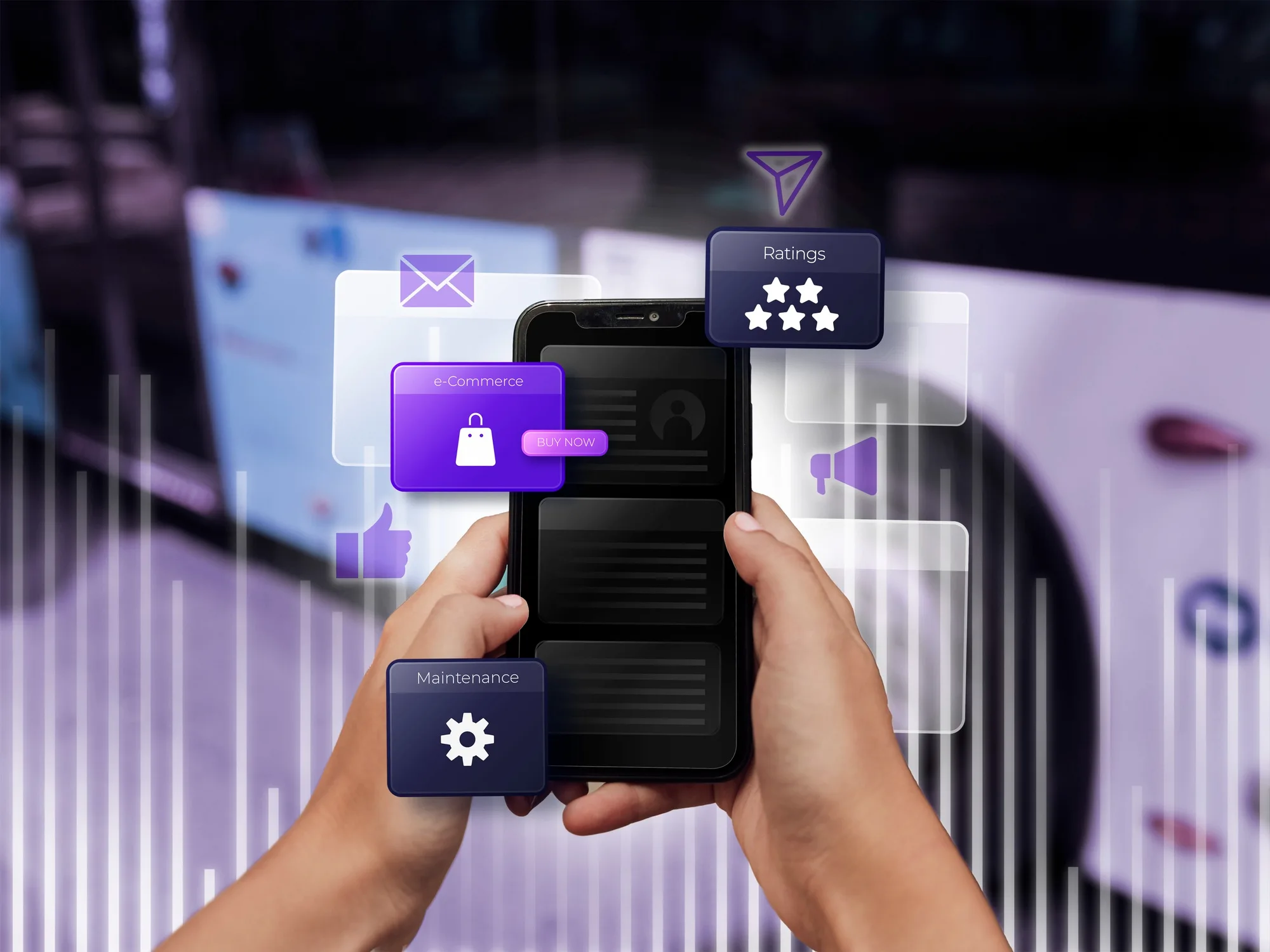
Custom mobile app development is the design, construction, and maintenance of a mobile application specifically designed to work with a business’s workflows, user behavior, and long-term objectives. The application is built around your business instead of your business accepting the terms and layout of an already-built application.
The significance of doing this way in the United States and Canada undertook:
- High user expectations for speed, security, and UX
- Competitive digital markets
- Compliance and data privacy requirements
- The need for scalability across regions
In short, custom apps are not just software—they’re business assets.
Why Businesses Struggle Without a Custom App
Many businesses start with website-only solutions or generic app builders. Initially, it feels cost-effective. But problems appear quickly:
- The app doesn’t match actual user behavior
- Performance issues lead to poor app store ratings
- Features can’t be scaled as the business grows
- Security limitations risk customer trust
- Integrations with CRM, ERP, or analytics tools fail
This is where Custom Mobile App Development becomes a strategic decision rather than a technical one.
The Solution: A Step-by-Step Custom App Development Approach
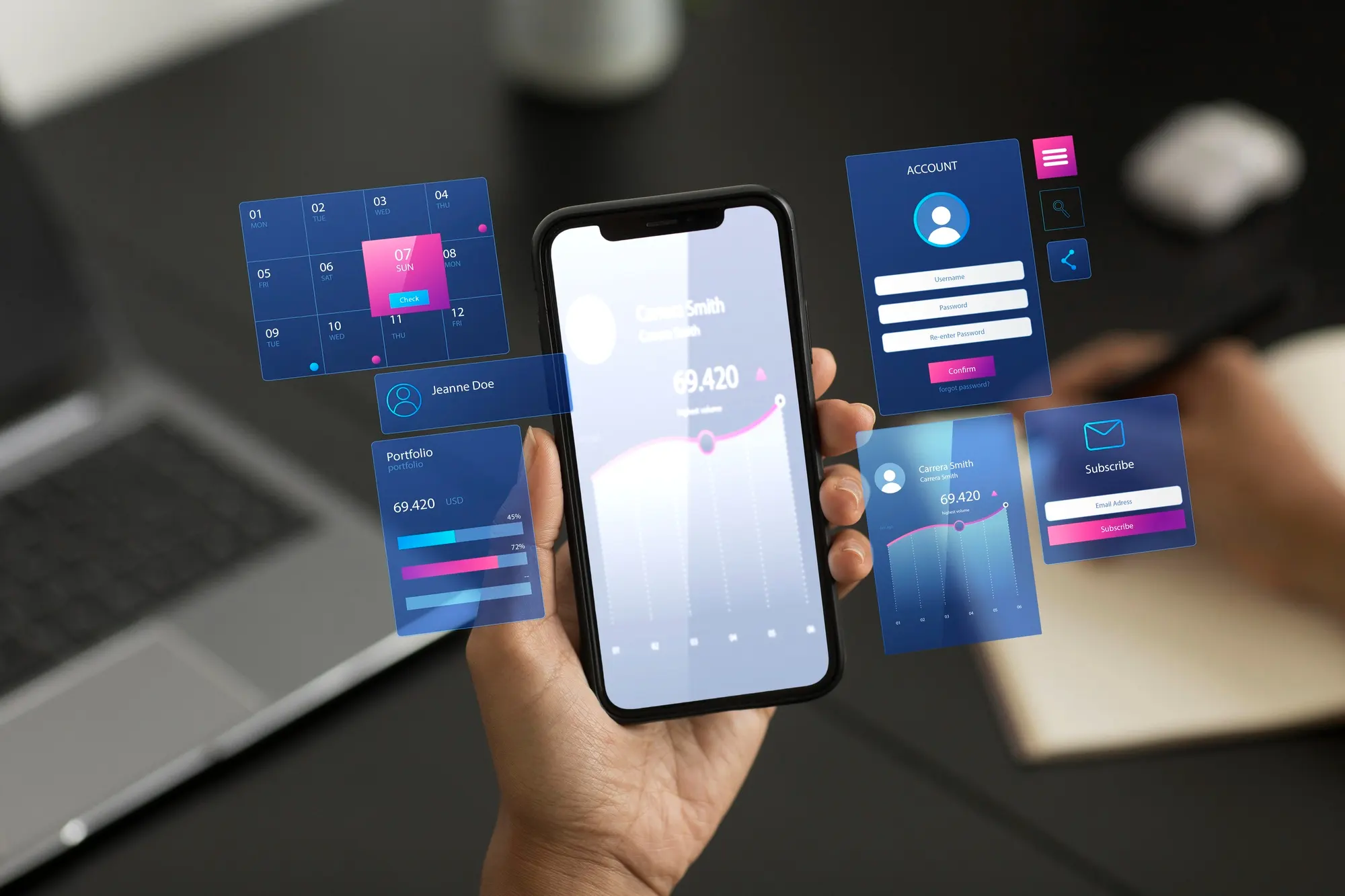
Start With the Business Goal, Not the App Idea
A common mistake is asking, “What features should my app have?”
The better question is: What business problem should this app solve?
Examples:
- Reducing customer service workload
- Increasing repeat purchases
- Improving internal operations
- Expanding into new digital markets
This step defines the success metrics from day one.
User Research That Reflects Real Behavior
In the USA and Canada, mobile users expect intuitive navigation, fast load times, and minimal friction. Custom app teams analyze:
- User journeys
- Device preferences
- Accessibility needs
- Regional usage patterns
This research ensures Custom Mobile App Development results in an app people actually use.
Platform Strategy That Saves Money Long-Term
One of the most searched questions is how to build a mobile app for my business without wasting budget. The answer lies in choosing the right platform strategy early:
- Android-first
- iOS-first
- Cross-platform with custom logic
This decision directly affects performance, cost, and scalability.
Scalable Architecture From Day One
Custom apps are built with modular architecture. This means:
- New features can be added later
- Performance remains stable as users increase
- Third-party integrations are seamless
This is why Custom Mobile App Development is preferred over rigid app builders.
Testing, Security, and Compliance
Businesses in North America must consider:
- Data protection laws
- Secure payment gateways
- App store compliance
Custom development includes extensive testing cycles to prevent costly post-launch issues.
A Real-Life Scenario: From Idea to Impact
A mid-sized logistics company in Canada struggled with manual order tracking. Their website worked, but customers wanted real-time updates. After investing in Soft Korner’s Custom Mobile App Development, they launched a dedicated app with live tracking, push notifications, and driver communication.
Results within 6 months:
- Customer support calls reduced by 40%
- Repeat usage increased significantly
- Operational costs dropped
This is how custom apps turn operational problems into competitive advantages.
Custom Apps for Startups vs Established Businesses
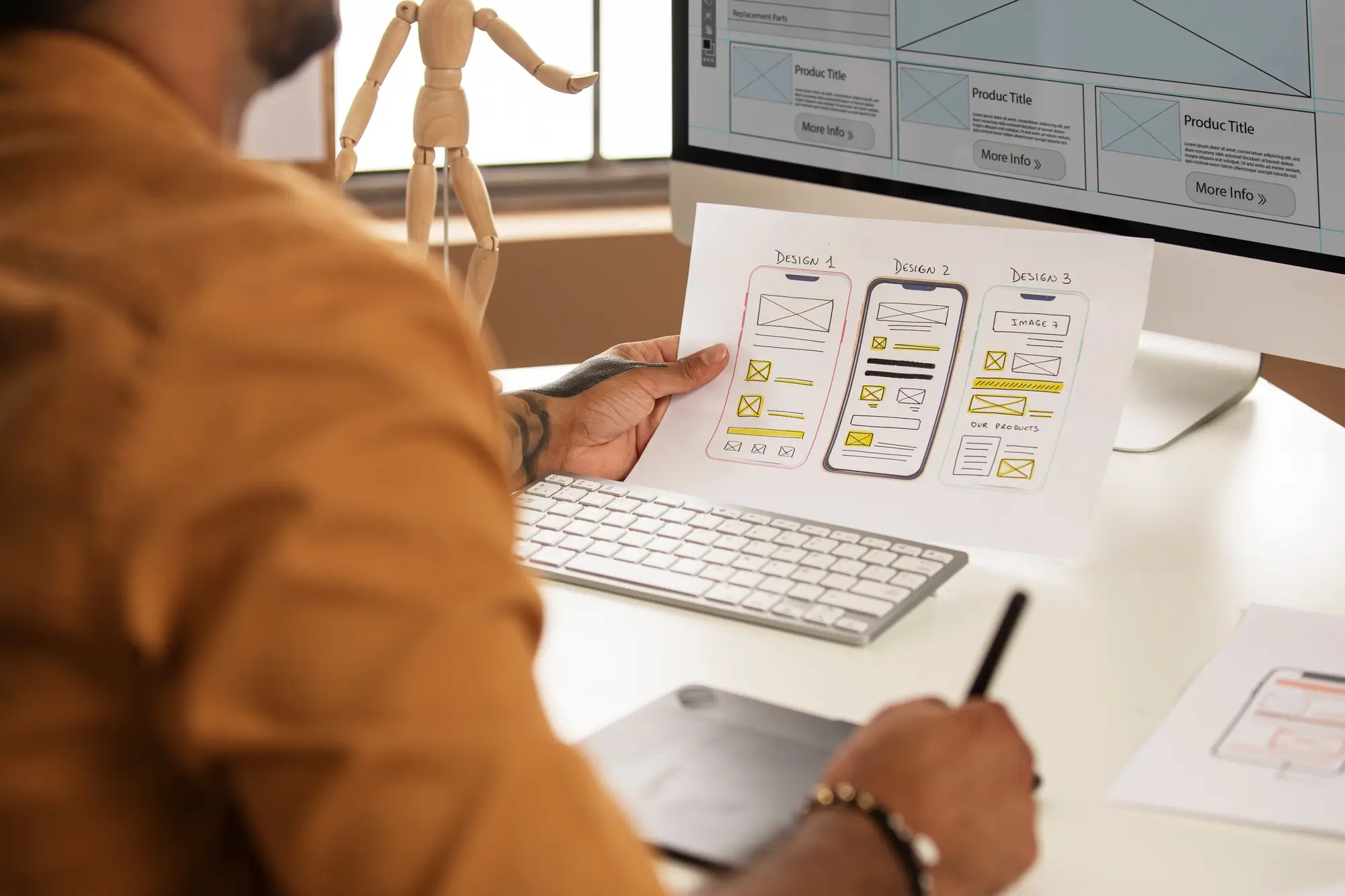
For startups, custom mobile app development for startups allows rapid iteration without technical debt. Features are built based on real feedback, not assumptions.
For established companies, custom apps modernize legacy systems and improve customer engagement without disrupting existing workflows.
Android and iOS: Different Goals, Same Strategy
Businesses targeting diverse audiences often need both platforms:
- custom android app development services focus on device variety and flexibility
- custom iOS app development for business emphasizes performance, security, and premium UX
A custom approach ensures both platforms align with one business strategy.
Cost Reality: What You Should Actually Expect
Many business owners search for the cost to develop a mobile app for small business because pricing feels unclear. Costs vary based on:
- Features
- Design complexity
- Integrations
- Maintenance requirements
The key is not finding the cheapest option but working with a low cost mobile app development company that balances affordability with quality.
This is where best affordable app development services stand out—by focusing on value, not shortcuts.
Why Affordable Doesn’t Mean Low Quality

Affordable doesn’t mean cutting corners. It means:
- Lean feature planning
- Efficient development cycles
- Clear documentation
- Long-term maintainability
Many businesses successfully partner with teams offering affordable custom mobile app development while still meeting enterprise-level standards.
Common Myths About Custom App Development
Myth 1: Custom apps are only for large enterprises
Reality: Small and mid-sized businesses benefit the most from customization.
Myth 2: Development takes years
Reality: Modern agile processes deliver functional apps in months.
Myth 3: Maintenance is too complex
Reality: Custom apps are easier to update because you control the codebase.
Long-Term Value of Custom Mobile App Development
When done right, Custom Mobile App Development becomes a growth engine:
- Stronger brand loyalty
- Higher customer lifetime value
- Better data insights
- Competitive differentiation
It’s not an expense—it’s a digital investment.
Choosing the Right Development Partner
A reliable partner will:
- Ask about business goals before features
- Explain technical decisions in simple terms
- Offer transparent pricing
- Provide post-launch support
One such partner is Soft Korner as Digital Transformation Partner, helping businesses align technology with growth.
Final Thoughts
Custom Mobile App Development is the most future-proof choice in case your business demands flexibility, performance, scaling, and active user engagement—especially in the competing markets of the USA and Canada.
The right approach, the right team, and a clearly defined business goal can actually turn a basic idea into a very powerful digital product.
Who’s ready to step up?
Begin with identifying the issue that the app is intended to resolve. Afterwards, consult specialists who prioritize strategy over mere coding. A custom application that has been thoroughly planned may turn out to be one of the most powerful assets of your business.
Frequently Asked Questions
Are custom mobile apps better than just a website?
Most definitely, apps especially lead over websites when it comes to businesses where user engagement, personalization, and regular use are the main priorities.
What is the average time for custom app development?
Most projects take from 3 to 6 months, depending on their degree of complexity and the number of features included.
Can I start small and then increase later?
Without a doubt. That’s among the top benefits of Custom Mobile App Development.
Do custom apps work for local businesses in the USA and Canada?
They do. Such apps are highly attractive for local markets because of their location-based features, alerts, and integrations.
Will I be the owner of the app and of the source code?
When it comes to custom development, generally speaking, ownership falls with the business, not the vendor.
