





In 2026, the biggest advantage of Custom Mobile App Development is not just functionality—it’s hyper-personalization. Businesses in the USA and Canada are using custom apps to deliver tailored user experiences based on behavior, preferences, and real-time data. If your app treats every user the same, you’re already losing customers. A custom-built mobile app allows you to create unique journeys for every user, increasing engagement, retention, and revenue. Soft Korner guide!
What is Hyper-Personalization in Mobile Apps?
Hyper-personalization goes beyond basic customization. It uses:
- User behavior tracking
- AI-driven recommendations
- Location-based services
- Purchase history
Through Custom Mobile App Development, businesses can create apps that feel intuitive—almost like they “understand” the user.
The Problem: Generic Apps Are Failing Users
Many businesses still rely on basic apps with static features. These apps fail because:
- Users get irrelevant notifications
- Content is not tailored
- Engagement drops quickly
- Conversion rates remain low
This is why companies are shifting toward custom mobile app development for startups and enterprises that prioritize personalization from day one.
The Solution: Step-by-Step Guide to Building a Personalized App
Step 1: Understand Your Audience Deeply
Instead of guessing, collect real data:
- What do users search for?
- When do they use your app?
- What features do they ignore?
This answers the common question: how to build a mobile app for my business that users actually love.
Step 2: Build Smart User Profiles
Custom apps allow dynamic user profiles that evolve over time. These profiles include:
- Preferences
- Behavior patterns
- Purchase history
This enables apps to deliver personalized recommendations automatically.
Step 3: Use AI and Automation for Personalization
Modern Custom Mobile App Development integrates AI tools that:
- Suggest products/services
- Customize home screens
- Send smart notifications
For example, a retail app can show different products to different users based on browsing history.
Step 4: Choose the Right Platform Strategy
Personalization must work smoothly across devices:
- custom android app development services help target a wider audience
- custom iOS app development for business ensures premium performance and security
A balanced approach ensures consistency in user experience.
Step 5: Optimize Performance and Data Security
Personalized apps rely heavily on data. Businesses in the USA and Canada must:
- Ensure user data privacy
- Follow compliance regulations
- Maintain high app performance
This builds trust and long-term engagement.
Real-Life Example: Personalized Fitness App
A fitness startup in the USA built a custom app with Soft Korner that created workout plans based on user goals, fitness level, and activity history.
Results:
- 65% higher user retention
- Increased subscription renewals
- Strong brand loyalty
This is the power of Custom Mobile App Development when combined with personalization.
Cost vs Value: Is Personalization Expensive?
Many business owners worry about the cost to develop a mobile app for small business, especially when personalization is involved.
The reality:
- You can start with basic personalization features
- Scale gradually as data grows
- Partner with a low cost mobile app development company to control budget
Affordable solutions like best affordable app development services make advanced features accessible even to small businesses.
Why Affordable Custom Apps Still Deliver High Value
Choosing affordable custom mobile app development doesn’t mean sacrificing quality. It means:
- Prioritizing features that matter
- Using scalable technology
- Avoiding unnecessary complexity
This approach ensures long-term success without overspending.
Key Benefits of Personalized Mobile Apps
- Higher user engagement
- Increased conversion rates
- Better customer retention
- Stronger brand connection
- Data-driven decision making
All of these are achievable through strategic Custom Mobile App Development.
Common Mistakes to Avoid
Ignoring user data:
Without insights, personalization fails.
Overloading features:
Start simple, then scale.
Neglecting performance:
Slow apps lose users instantly.
Lack of updates:
User behavior changes—your app should too.
Future Trends in Personalized Mobile Apps
- Voice-based personalization
- Predictive user behavior analysis
- Real-time content customization
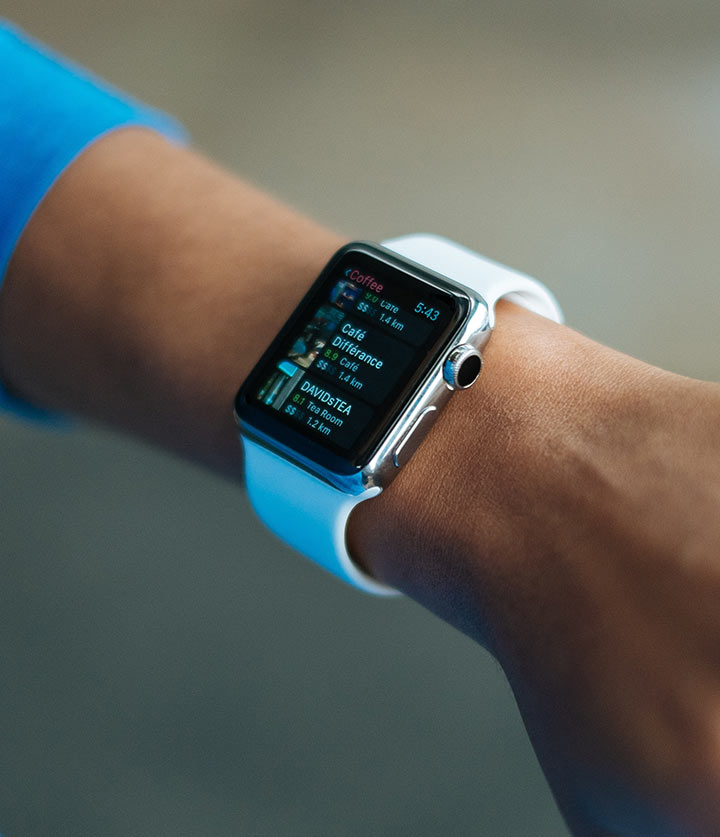
- Integration with wearable devices
Businesses adopting these trends through Custom Mobile App Development will dominate their markets.
Final Thoughts
In 2026, success in digital markets depends on how well you understand and serve your users. Custom Mobile App Development makes it possible to create highly personalized experiences that drive real business growth in the USA and Canada. Businesses that embrace personalization today will lead tomorrow.
Ready to Build a Personalized App?
Start by understanding your users and defining clear goals. Then work with a development partner that focuses on strategy, scalability, and real value. Soft Korner, Digital Transformation Partner helps businesses turn ideas into intelligent, personalized mobile experiences that scale.
Frequently Asked Questions
What makes a mobile app “custom”?
A custom app is built specifically for your business needs, unlike generic solutions.
Can small businesses use personalized apps?
Yes, even startups can implement basic personalization and scale over time.
Is personalization worth the investment?
Absolutely. It directly impacts engagement, retention, and revenue.
How long does it take to build a personalized app?
Typically 3–6 months depending on complexity.
Do I need both Android and iOS apps?
It depends on your audience, but many businesses eventually expand to both.
