




The patient journey and anyone’s skill in treating disease have become equally important in the present-day health care system. Trust, personalization, and proactive care have now become necessitated along with treatment in the case of hospitals, clinics, and health care providers. So, the question arises, in what ways can the health care organizations build patient relationships evenly in case of empathy and efficiency?
The solution is healthcare CRM software that changes patient management, communication, and coordination of care into an integrated digital experience. The hospitals, clinics, and healthcare IT directors in the USA or Canada would benefit from a powerful CRM system, which will then change the whole way of connecting with the patients.
Definition of Healthcare CRM Software?
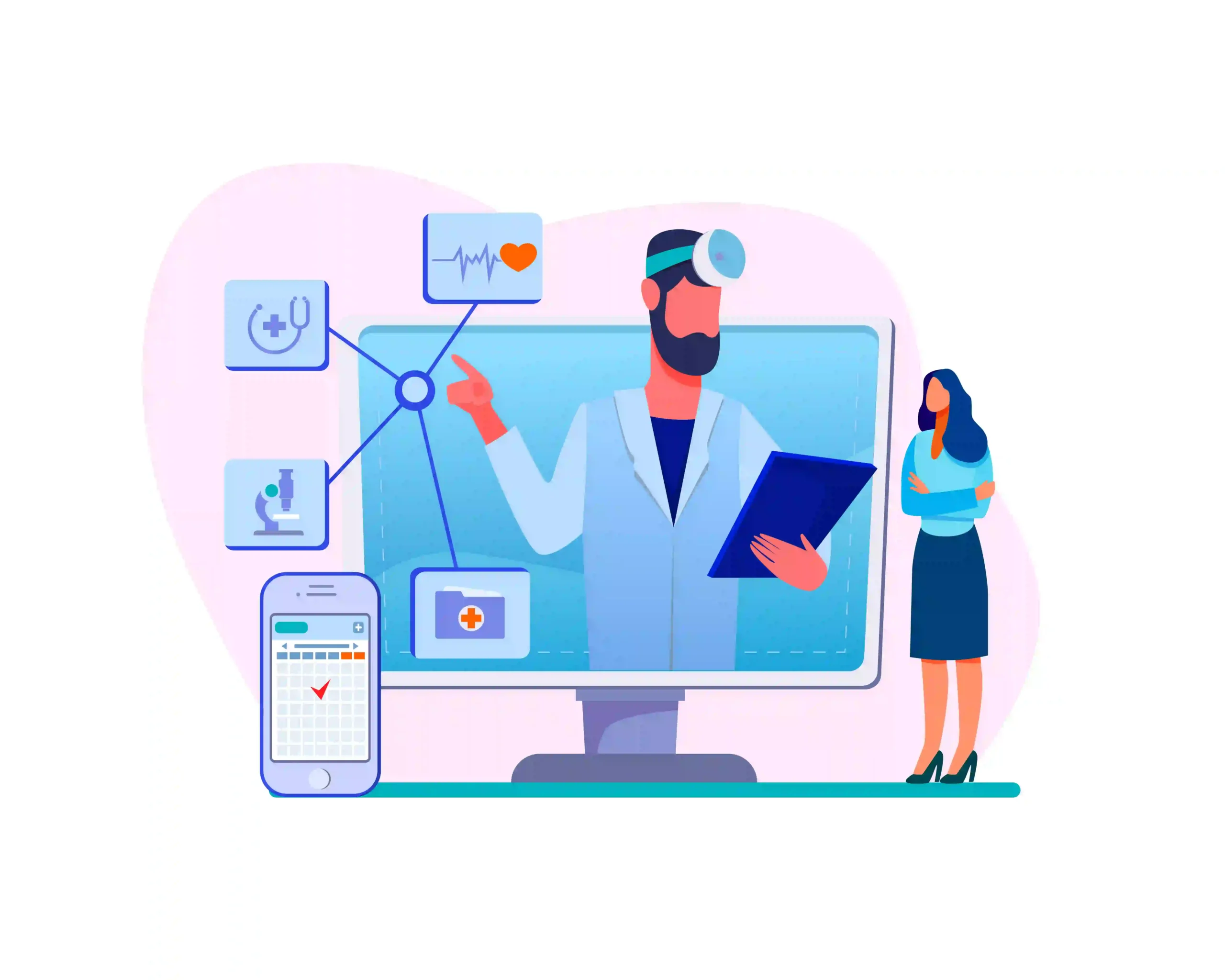
Healthcare CRM software is an advanced kind of customer relationship management system that assists medical institutions in managing patient interaction, processing their workflows and improving communication among care providers and patients.
Healthcare CRM systems, unlike conventional CRM systems, provide tools especially developed for the health sector. They take into account factors such as HIPAA compliance, patient confidentiality, and healthcare workflows. Hence, they consolidate patient information from different fields like appointment history, billing, communication, and prescriptions and thus, enable the medical practitioners to provide care that is both personal and efficient..
Reasons for Healthcare Organizations to Adopt CRM Systems

Fragmented patient data from the various departments is a common problem in healthcare settings. These departments may include billing, scheduling, diagnostics, and communication with patients. This may result in delays, weak patient engagement, and lost revenue opportunities.
A CRM effectively addresses these issues by:
- Storing all the patient information in a single system
- Sending out automated reminders for appointments and follow-up communications
- Simplifying billing and insurance workflows
- Actionable analytics for informed decision-making
- Improved patient satisfaction and retention
CRM in healthcare industry will allow companies to have 360-degree visibility into their patients to ensure that every interaction adds value and builds trust.
The Core Problem: Fragmented Patient Experience
In the USA and Canada, most healthcare systems still rely on antiquated and/or disjointed instruments. The isolation of the patient data makes it impossible to develop a collective patient journey. Additionally, patients are required to provide the same information multiple times, doctors do not receive any information and thus are not able to offer the best treatment, and also are cupped with a mountain of administrative tasks that go on for hours.
Such a situation affects not only the efficiency but also the quality of care and the patient’s loyalty to the hospital.
The Solution: Implementing a Healthcare CRM Software for Seamless Operations
The road to the solution is paved with the establishment of the healthcare CRM consulting to be wired to the distinctive workflows of the healthcare organizations. Here is the step-by-step guide to the transformation of your healthcare operations through the CRM integration:
Examine the Issues You Currently Face
Prior to making a CRM investment, figure out what is not functioning in your present system. Is there a lack of follow-up with your patients? Is your staff experiencing difficulties in keeping track of patient communication? Are billing delays being caused by manual processing?
It is very important to have a good knowledge of these pain points so that you can state your requirements for CRM in a very clear manner.
Opt for a CRM in Healthcare Industry
Not all the CRMs cater to the healthcare industry. You require a solution that is HIPAA-compliant, interoperable with EHR/EMR, and provides support for various communication channels such as email, SMS, phone calls, and chat.
Key features that you may want to look into include:
- Appointment booking and reminders
- Management of patient information
- Automated marketing
- Analytical and reporting dashboards
- Tools for communication across multiple channels
- Encryption of data and secure storage
Align with a Reliable Development Partner
Investing in healthcare CRM software development services means your CRM solution will be designed according to your needs. Either integration with a current EHR or a cloud-based system for multi-clinic requirements, the experienced healthcare crm development team will make sure the system is going to be scalable, compliant, and easy to use.
A partner who understands healthcare can even lead the CRM design that will be beneficial for both the patients and the providers.
Integrate your CRM with current systems
A CRM’s effectiveness is determined by its integrations. Connecting your CRM with EHRs, lab systems, billing software, and communication channels creates one single truth source for all departments.
In this manner, the staff can access patients’ details instantly, thus avoiding delays and mistakes with administration.
Train Your Team and Foster Adoption
Technology alone cannot modify the method of patient care delivery; people can. Conduct training sessions for the entire crew, exemplifying how the CRM makes their work easier and increases patient satisfaction.
Through promoting the use of the system among the personnel, you help in the full utilization of the system and, thus, your return on investment is increased.
Monitor, Analyze & Optimize
After the system is up and running, regularly check the performance of your CRM. Use the integrated analytics to evaluate key metrics such as:
- Patient satisfaction rates
- Appointment attendance
- Marketing ROI
- Follow-up completion
These revelations enable healthcare institutions to constantly refine their processes and to elevate the patient experience even more.
How CRM Transforms the Patient Journey
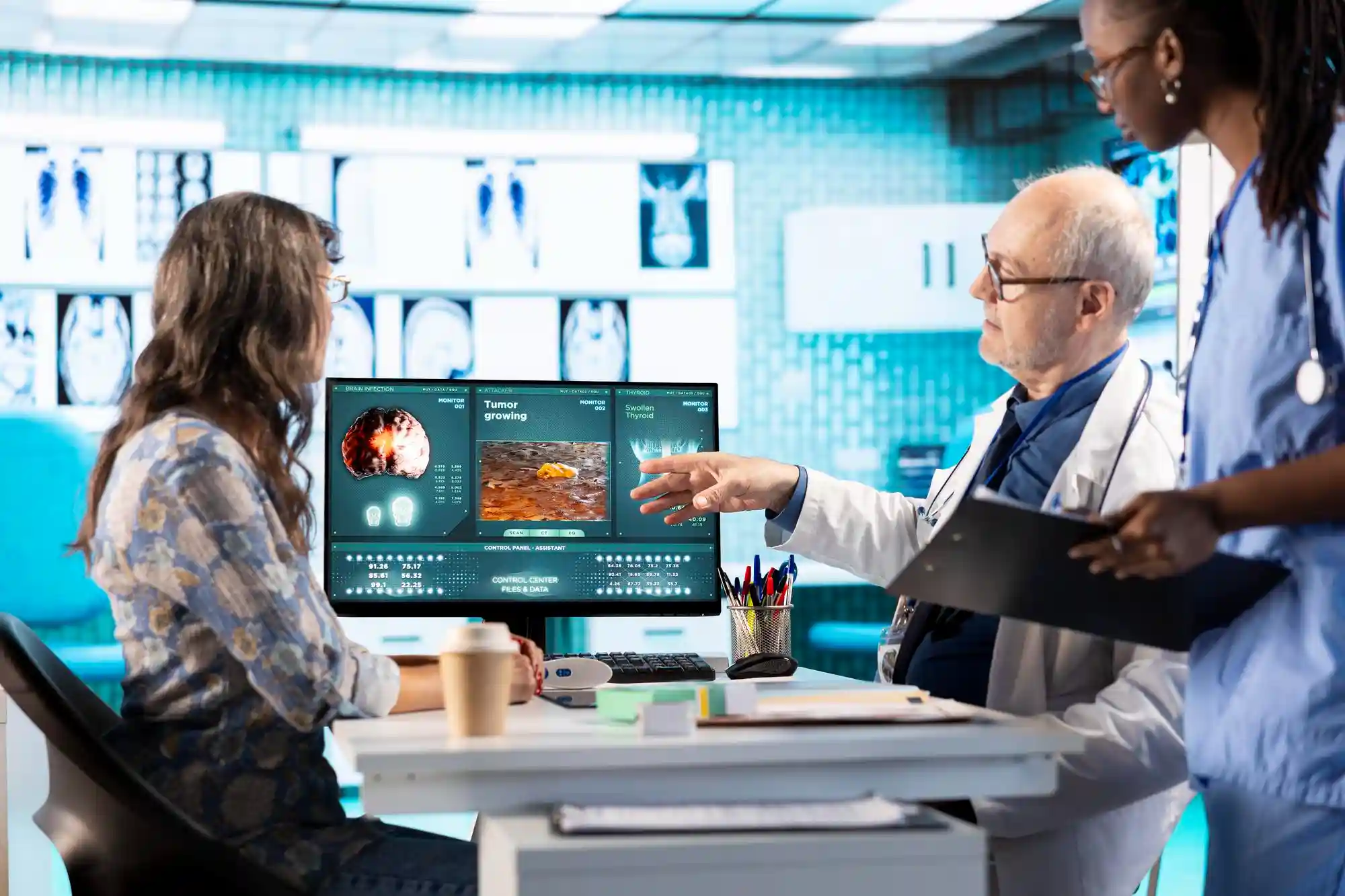
Let’s examine how CRM impacts the patient journey in all its stages, starting from awareness and going all the way to loyalty:
Awareness: Utilize targeted emails and SMS to attract new patients through automatic marketing campaigns.
Engagement: Streamline appointment scheduling and send out personalized reminders.
Care Delivery: Physicians will be able to access complete patient histories and preferences.
Follow-Up: Automate post-visit communications to facilitate continuity of care.
Retention: Provide loyalty programs, e-consultations, and health promotion activities derived from the data.
Case Study: The Power of Data-Driven Care
A mid-sized hospital in Canada had a customized CRM system for managing patient appointments and follow-ups. In less than six months, it:
- No-shows for appointments decreased by 30%.
- The workload of administrative tasks was reduced by 40%.
- The patient satisfaction scores went up a lot.
This real-world example shows that digital transformation has a direct effect on the outcome of patients and the efficiency of operations.
The Role of Consulting and Continuous Improvement
The transition to a CRM system does not represent a project but rather a journey. Healthcare CRM consulting support the healthcare system in the refinement of their operations, the integration of the new modules, and the maintenance of the compliance standards amid the new technologies.
The consultants will take a look at your data flow, advise on the areas where automation can be introduced, and make sure the CRM is always producing results that can be measured.
Custom CRM Development for Healthcare Providers
Every health care provider has its distinct needs. Custom health care healthcare crm development ensures the system is tailor-made for your workflow, compliance, and patient management.
A tailored CRM lets you:
- Build scalable cloud-based systems
- Integrate third-party healthcare apps
- Create specialized dashboards for departments
- Customize automation to fit your patient engagement strategy
Benefits of Healthcare CRM Software

The using of healthcare CRM software leads to quantifiable advantages on all levels:
Enhanced Patient Participation: Customized interaction fosters patient loyalty.
Streamlined Operations: Automation-style processes take off manual workload and eliminate errors.
Superior Data Handling: Centralized data stores help achieve higher accuracy and better compliance.
More Teamwork: Coordinated communication among the different departments raises care quality.
More Revenue: Better patient billing and improved patient retention together increase the overall profit.
Explore official healthcare data standards and patient safety insights at CDC.gov.
The Future of Healthcare CRM in the USA and Canada
The more healthcare turns towards the patient, the more CRM usage will be. Artificial intelligence, predictive analytics, and automation will further refine the providers’ abilities to foresee patient needs and proactively manage their care.
The health care organizations that are adopting CRM today are the future leaders in innovation.
Soft Korner for Healthcare CRM Consulting: Why Pick It?
Soft Korner is a provider of healthcare CRM software solutions for hospitals, clinics, and medical institutions in the USA and Canada from start to finish. We work with healthcare organizations in the process of digitizing their operations and offering superior patient experiences, starting with consultancy services for strategy and continuing through healthcare crm development and integration.
The focus of our solutions is on security, compliance, and scalability; thus, your organization will always be able to cope with changes in the digital healthcare ecosystem.
Conclusion
Building meaningful patient relationships using technology value-based care is the future of the CRM in healthcare industry, and at the center of that revolution are the patients. A suitably implemented CRM system in healthcare can streamline processes, improve engagement, and deliver quality care experiences for hospitals and clinics in the USA and Canada. Start your digital health journey today, because better technology means better care.
Frequently Asked Questions
Q1. In what ways does healthcare CRM enhance patient engagement?
Trust and loyalty are the results of constant communication that the automation of personalized reminders, requests for feedback, and follow-up messages through CRM guarantees.
Q2. Is CRM capable of being integrated with EHR systems?
Indeed. The majority of contemporary healthcare CRM systems have the capacity to be integrated with EHR/EMR systems for data synchronization and the prevention of duplicate records.
Q3. What is the timeline for putting in place a healthcare CRM?
The complexity of the system will dictate whether the implementation lasts for a few weeks or several months. Normally, custom solutions take more time for integration and staff training.
Q4. Is healthcare CRM software that complies with HIPAA?
Such is the case; the best healthcare CRM systems are built with HIPAA compliance into their very core so as to guarantee the confidentiality and security of patient data.
Q5. Are small clinics able to take advantage of CRM software?
Sure, small practices can also use CRM for easier management of appointments, better patient communication, and more patient satisfaction at a lower cost.
