







In 2026, startups across the USA and Canada face an uncomfortable truth: manual customer management is silently killing growth. Founders invest in CRMs, marketing tools, and sales software—yet deals slip, leads go cold, and customers churn faster than expected. The reason is simple. Traditional CRMs were built to store information. Modern startups need systems that can think, decide, and act. This is Soft Korner where autonomous AI CRM agents change the game.
Today’s most successful startups don’t just manage customers—they delegate customer operations to intelligent systems. These systems analyze behavior, predict intent, trigger actions, and continuously optimize engagement without waiting for human input. This article explains how ai agents for startups are transforming CRM into a self-running engine in 2026—and how founders can use them to scale faster with fewer resources.
What Are Autonomous AI CRM Agents in 2026?
Autonomous AI CRM automation by Soft Korner are intelligent systems embedded within or layered over CRMs that independently manage customer-facing workflows. Unlike traditional automation that follows fixed rules, these agents:
- Learn from customer behavior in real time
- Adapt strategies based on outcomes
- Decide the best next action across sales, marketing, and support
- Execute tasks without manual approval
In 2026, startups in the USA and Canada rely on these agents to handle thousands of micro-decisions daily—decisions that were once handled by entire teams.
In short, ai agents for startups now act as digital operators, not just assistants.
The Core Problem Startups Face With Traditional CRMs

Problem 1: CRMs Capture Data but Don’t Drive Outcomes
Most CRMs tell you what happened—not what to do next. Startups often know:
- A lead opened an email
- A customer visited a pricing page
- A user stopped engaging
But they don’t know:
- When to intervene
- What message to send
- Which channel to use
By the time a human reacts, the opportunity is gone.
Problem 2: Small Teams Can’t Operate at Customer Scale
Early-stage and mid-stage startups in North America typically operate with lean teams. One sales manager may handle hundreds of leads. One marketer may run multiple campaigns. One support agent may manage dozens of tickets daily.
This creates:
- Slow response times
- Inconsistent follow-ups
- Burnout and missed revenue
Problem 3: Rule-Based Automation Breaks at Scale
Traditional automation depends on static rules. But customers don’t behave in static ways. When behavior shifts, rules fail—and startups don’t realize it until metrics drop.
The Solution: Autonomous AI CRM Agents
Autonomous Soft Korner AI CRM agents solve these problems by replacing rigid workflows with adaptive intelligence.
Instead of asking “What rule should trigger this?”, startups ask:
- “What outcome are we optimizing for?”
The AI agent figures out the rest.
This evolution is powered by AI Agent for business models that combine machine learning, behavioral analytics, and decision intelligence.
How Autonomous AI CRM Agents Actually Work
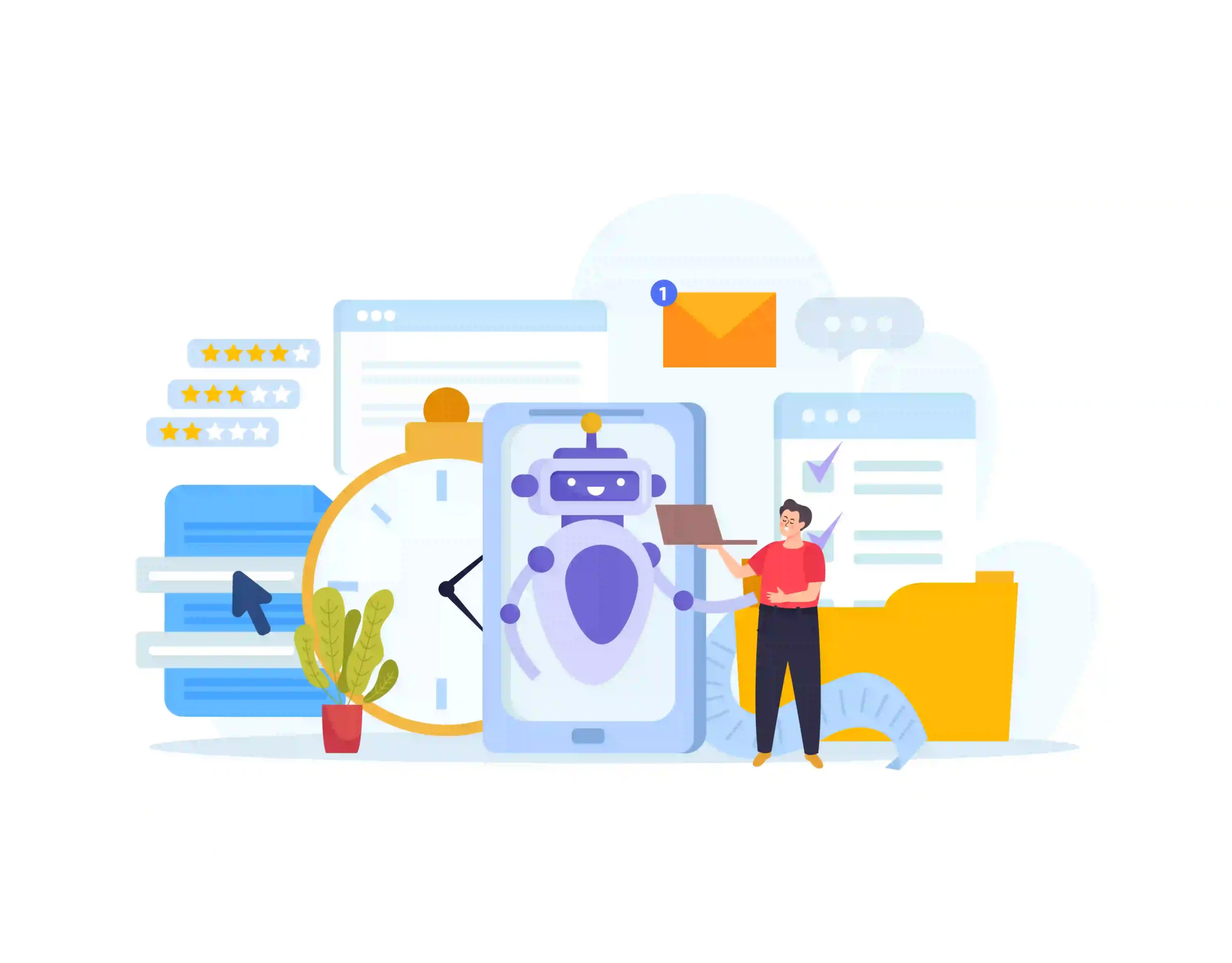
Step 1: Continuous Customer Behavior Monitoring
AI agents observe every interaction across:
- Website visits
- Emails
- Ads
- In-app actions
- Support conversations
Unlike dashboards, the system doesn’t wait for reports. It builds live behavioral profiles for every customer.
Step 2: Intent & Probability Prediction
Using predictive models, the agent estimates:
- Likelihood to buy
- Risk of churn
- Readiness for upsell
- Support urgency
This is where AI Agent for automation replaces guesswork with probabilities.
Step 3: Decision-Making Without Human Input
Based on predicted intent, the agent decides:
- Whether to send a message
- Which channel to use
- What tone and timing work best
For sales-driven actions, this includes AI Agent for sales logic that prioritizes revenue opportunities automatically.
Step 4: Execution Across CRM Touchpoints
The agent executes actions inside the CRM ecosystem:
- Triggers personalized campaigns using AI Agent for marketing logic
- Updates pipelines
- Assigns tasks
- Sends follow-ups
- Adjusts lead scoring dynamically
Step 5: Self-Optimization Over Time
Every action becomes training data. The agent learns what works and what doesn’t—improving conversion rates month over month.
This closed-loop learning is the defining advantage of modern AI Agent for CRM systems.
Real-Life Startup Scenario: SaaS Company in Toronto
A B2B SaaS startup in Toronto struggled with stalled demos and low trial-to-paid conversions. Their CRM showed activity, but the team couldn’t respond fast enough.
After implementing autonomous AI CRM agents:
- Demo follow-ups were triggered within minutes
- Trial users received behavior-based onboarding
- High-intent users were routed directly to senior sales reps
Within 90 days:
- Conversion rates increased by 38%
- Sales cycle shortened by 21%
- Support tickets dropped due to proactive engagement via AI Agent for customer support by Soft Korner
The startup didn’t hire new staff. They scaled operations with intelligence, not headcount.
Why AI CRM Agents Are Critical for Startups in USA & Canada
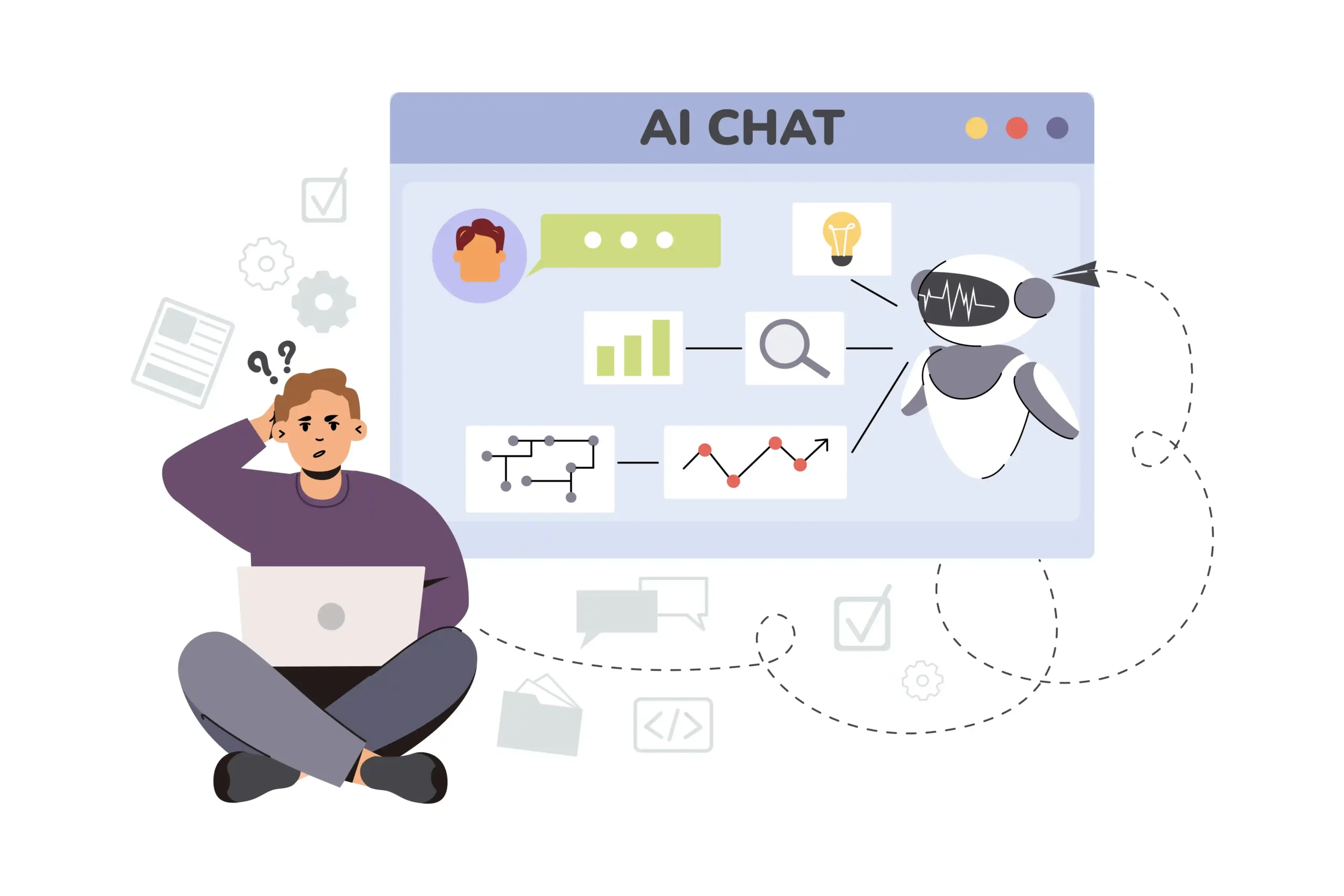
Market Saturation Demands Precision
North American markets are competitive. Customers expect relevance, speed, and personalization. AI agents enable startups to deliver enterprise-level experience without enterprise budgets.
Labor Costs Are Rising
Hiring sales, marketing, and support teams is expensive. Autonomous agents absorb repetitive tasks, allowing humans to focus on strategy and relationships.
Compliance & Data Responsibility
Modern AI CRM systems are built with compliance-first architectures—critical for startups operating across U.S. states and Canadian provinces.
Beyond CRM: Cross-Functional Intelligence
Autonomous AI CRM agents don’t operate in isolation. They integrate with:
- Analytics platforms
- Billing systems
- Product usage data
- Communication tools
This enables AI Agent for workflow automation, where actions in one system intelligently trigger responses across the entire startup stack.
Lead Generation Without Manual Chasing
One of the strongest use cases is AI Agent for lead generation. Instead of blasting campaigns, agents identify:
- Which visitors are most valuable
- When to engage them
- How to nurture them automatically
This turns CRM from a passive database into an active growth driver.
What Founders Should Look for in 2026
When evaluating autonomous AI CRM agents, startups should prioritize:
- Outcome-driven intelligence (not just automation)
- Real-time learning and adaptation
- Seamless CRM integration
- Transparent decision logic
- Strong security and compliance
Avoid tools that only add AI labels without true autonomy.
Final Thoughts
In 2026, the best CRM systems don’t demand attention. They quietly work in the background—learning, deciding, and acting. For founders in the USA and Canada, adopting autonomous AI CRM agents isn’t about chasing trends. It’s about building a startup that can grow faster than its headcount. If your CRM still waits for instructions, you’re already behind. The future belongs to startups that let intelligence run customer operations—on autopilot.
Frequently Asked Questions
Are AI CRM agents replacing human teams?
No. They replace repetitive decision-making and execution, allowing humans to focus on strategy, creativity, and relationship-building.
Are autonomous AI CRM agents suitable for early-stage startups?
Yes. In fact, early adoption helps startups scale efficiently before operational complexity increases.
How long does it take to see results?
Most startups see measurable improvements in engagement and conversions within 30–90 days.
Do these agents work for both B2B and B2C startups?
Yes. Autonomous agents adapt to customer behavior patterns across industries and business models.
Is customer data safe with AI CRM agents?
Modern platforms prioritize encryption, access control, and compliance to protect sensitive data.
